Regular chimney maintenance is one of the most overlooked parts of home care, yet it plays a crucial role in keeping your family safe. Many Johns Creek homeowners only discover chimney issues once they become severe. The truth is that most early warning signs start small but progress quickly if not repaired promptly.
Understanding these signs can help you prevent costly structural damage, restore proper ventilation, and maintain safe fireplace operation. To learn more about professional services in your area, you can visit CFC Clean Fix Chimney.
Why Timely Chimney Repair Matters
Your chimney is more than a decorative architectural feature. It is a working component of your home’s safety system. When functioning correctly, it directs smoke and toxic gases out of your home, prevents accidental fires, and ensures your fireplace operates efficiently.
Johns Creek’s weather patterns contribute significantly to chimney wear. Seasonal temperature shifts, high humidity, heavy rain, and occasional storms create ideal conditions for water infiltration and brick deterioration.
Over time, water exposure can weaken mortar joints, rust metal components, and damage the liner. This can lead to safety concerns such as reduced airflow, smoke problems, or carbon monoxide issues.
Taking action at the first sign of trouble helps you:
- Avoid high repair costs from neglected masonry damage
- Maintain safe and efficient fireplace performance
- Protect your home’s foundation and structural components
- Reduce moisture and mold risks
Early chimney repair is far more affordable and far safer than dealing with advanced structural damage later.
Sign 1: Chimney Leaks or Water Stains
Water infiltration is one of the most common reasons homeowners seek chimney repair in Johns Creek. Moisture can enter through compromised flashing, damaged mortar, faulty chimney caps, or cracks in the crown. Since many homeowners are unaware of leaks until water visibly appears inside, it is important to look for subtle warning signs.
You may notice:
- Damp spots on the ceiling near the chimney
- Water stains on the walls surrounding the fireplace
- A musty odor coming from the firebox
- Dripping noises during or after heavy rain
Moisture inside a chimney system accelerates deterioration. Brick surfaces can crumble or spall, wooden structures can rot, and mold growth becomes more likely. If left untreated, water damage can lead to expensive structural repairs. Chimney leak repair performed early stops moisture from spreading and helps maintain the integrity of your home.
Sign 2: Cracked or Damaged Chimney Crown
The chimney crown is the concrete or masonry platform at the top of the chimney. It directs water away from the flue and protects the entire structure from weather exposure. When the crown cracks, even small fissures can allow water to penetrate beneath the surface.
Common causes include aging materials, weather stress, or improper installation. Once cracks develop, the underlying chimney structure becomes vulnerable to moisture intrusion, which can lead to faster deterioration.
A damaged crown can lead to:
- Water infiltration into brick and mortar
- Interior moisture issues
- Damage to the flue and liner
- Widespread chimney structural instability
If you suspect crown issues, it is best to schedule repair or potential crown replacement quickly. For professional help, you can learn more through Chimney Masonry Repair.
Sign 3: Cracked or Deteriorating Chimney Liner
The chimney liner is responsible for containing heat, directing smoke upward, and keeping combustible materials protected. When the liner cracks, deteriorates, or breaks apart, your home is exposed to serious safety risks.
Some early signs of liner failure include:
- Pieces of tile or debris falling into the firebox
- Persistent smoke is entering the room
- Unusual odors during fireplace use
- Reduced draft and poor fire performance
A compromised liner can allow heat to come into contact with the surrounding wooden framing, increasing fire risk. It can also allow carbon monoxide to leak back into your home.
Chimney liners must remain structurally sound to safely redirect heat and gases. Relining is often the best long-term solution once damage occurs.
Sign 4: Visible Masonry Damage or Mortar Deterioration
Masonry deterioration is one of the most visible and easily identifiable signs that you need chimney repair in Johns Creek. Over time, moisture exposure and temperature fluctuations can weaken mortar joints and cause brick surfaces to break apart.
You may notice:
- Crumbling mortar
- Loose or missing bricks
- Spalling brick surfaces
- Deep cracks on the chimney exterior
When this kind of damage is ignored, the chimney can become structurally unstable. Loose materials may fall, the chimney may lean, and water may easily penetrate the interior structure.
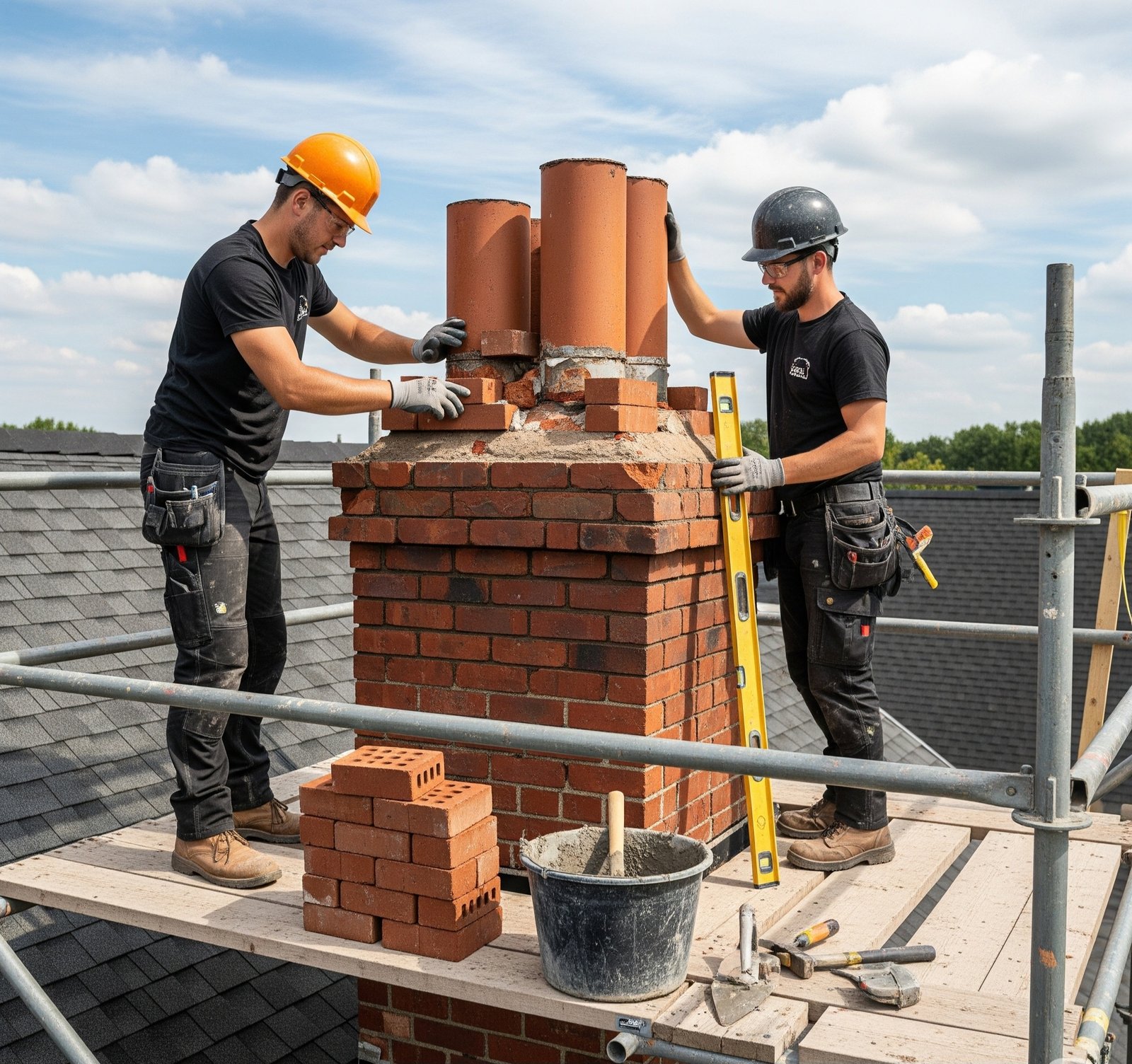
Masonry chimney repair restores stability, reinforces joints, and prevents further deterioration. Addressing these issues promptly helps protect not only the chimney but also the roof and surrounding structures.
Sign 5: Poor Fireplace Performance
If your fireplace is becoming difficult to operate, it often signals a deeper issue within the chimney system. Poor performance usually means airflow problems, blockages, or structural deterioration.
Common symptoms include:
- Difficulty lighting a fire
- Smoke is backing into the room
- Fires that burn weakly or extinguish quickly
- Strong odors during fireplace operation
A poorly performing fireplace is not just inconvenient. It can mean creosote buildup, flue obstructions, or declining ventilation efficiency. These conditions reduce safety and comfort, and they usually indicate underlying chimney problems that need evaluation.
Sign 6: Rusted or Warped Metal Components
Metal components inside and around the chimney, such as the damper, flashing, and chase cover, are vulnerable to moisture. Rust or warping usually indicates that water has been entering the chimney system for some time.
Inspect for:
- Rust flakes on the hearth
- Difficulty opening or closing the damper
- Visible corrosion on caps or covers
- Gaps around flashing where the chimney meets the roof
Rust is always a sign that repairs are needed. When metal parts weaken, ventilation efficiency decreases, and water can move deeper into the chimney structure.
When to Call a Chimney Repair Professional
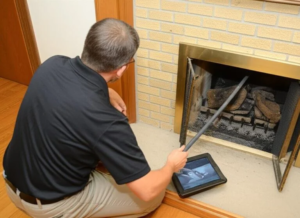
Some homeowners wonder whether an issue is minor or serious enough to require expert evaluation. As a general rule, any sign of moisture, smoke issues, or cracking should be assessed by a certified technician. Professional chimney inspections use specialized tools to detect internal damage not visible from the outside.
During a diagnostic appointment, a technician will:
- Examine the interior and exterior of the chimney
- Evaluate the flue, liner, and crown
- Inspect mortar joints, flashing, and bricks
- Identify blockages or creosote buildup
- Provide repair recommendations based on the extent of damage
This approach ensures that small issues are addressed early and major hazards are prevented.
DIY Versus Professional Chimney Repair
Chimneys are complex structures, and repairs often require specialized equipment, safety procedures, and code compliance. Many repairs, especially those involving masonry, liners, and crown reconstruction, should only be performed by trained professionals. DIY attempts can worsen the issue or lead to unsafe conditions.
Homeowners can, however, take preventive steps such as keeping the fireplace clean, regularly checking for visible cracks, and watching for moisture signs. Beyond basic maintenance, professional repair ensures long-term safety and performance.
Protecting Your Home With Preventive Maintenance
Chimneys benefit from consistent inspections and routine care. Johns Creek homeowners should schedule professional inspections at least once a year, preferably before peak fireplace season. Preventive maintenance helps identify early signs of deterioration and reduces the risk of unexpected repair costs.
Protective steps include:
- Annual inspections
- Regular chimney cleaning
- Checking flashing and caps after storms
- Addressing minor cracks before they spread
Routine maintenance improves fireplace efficiency, extends the lifespan of chimney components, and helps ensure your family remains safe.
Conclusion
Chimneys play a vital role in maintaining indoor air quality, preventing fire hazards, and supporting efficient fireplace operation. Recognizing the signs of chimney damage early is essential for avoiding major structural problems and keeping your home protected. Whether you are dealing with leaks, cracks, liner issues, or reduced performance, timely action will help preserve your chimney and prevent safety concerns. If you would like to schedule an inspection or repair service, you can get in Touch.
Frequently Asked Questions
1. How often should I schedule a chimney inspection in Johns Creek?
Most homeowners should schedule an inspection once a year. This helps identify water damage, creosote buildup, and structural issues early, before they become expensive repairs.
2. What causes chimney leaks in humid climates like Johns Creek?
Frequent rain, high humidity, and seasonal temperature changes allow moisture to seep into the chimney through cracks, damaged crowns, worn flashing, or missing caps.
3. Can a cracked chimney liner be repaired?
In many cases, liners can be resurfaced or fully relined depending on the extent of damage. A professional inspection is required to determine the safest option.
4. Is masonry chimney repair necessary if only a few bricks are cracked?
Yes. Even small cracks let water penetrate the structure. Early repairs prevent widespread deterioration and maintain the chimney’s stability.
5. What are the dangers of delaying chimney repairs?
Delaying repairs can lead to water damage, structural instability, smoke problems, carbon monoxide risks, and higher long-term repair costs.