As winter approaches in Sandy Springs, fireplaces and wood-burning stoves become a central part of home comfort. While they add warmth and ambiance, they also introduce serious safety risks if not properly maintained. Certified chimney sweeps consistently warn that skipping chimney cleaning before winter is one of the most common and dangerous mistakes homeowners make.
From fire hazards and carbon monoxide exposure to poor heating efficiency and costly structural damage, an unclean chimney can put your home and family at risk.
Understanding why pre-winter chimney cleaning is essential can help you stay safe, reduce expenses, and enjoy your fireplace with peace of mind throughout the colder months.
Understanding How Chimneys Get Dirty Over Time
Chimneys naturally accumulate residue and debris every time a fire is lit, making regular chimney maintenance essential. When wood, gas, or other fuels burn, they release smoke, ash, and unburned particles that travel up the flue. Over time, these byproducts cling to the inner walls of the chimney, forming layers of soot and creosote.
During warmer months when fireplaces are rarely used, chimneys often become nesting spaces for birds, squirrels, and other animals, further increasing blockages. Leaves, twigs, and moisture can also enter the chimney, especially if the cap is damaged or missing.
By the time winter arrives, months or even years of buildup may be present, creating a hidden hazard that many homeowners overlook.
What Is Creosote and Why Is It Dangerous?
Creosote is a highly flammable, tar-like substance that forms when wood smoke cools and condenses inside the chimney. Certified chimney sweeps identify creosote as the leading cause of chimney fires.
It develops in stages, starting as a light soot and eventually hardening into thick, glazed deposits that are difficult to remove.
As creosote accumulates, it reduces airflow and increases the likelihood of ignition. Even a small spark or high flue temperature can cause creosote to catch fire, leading to intense chimney fires that can crack flue liners, damage masonry, and spread flames to the rest of the home.
Fire Hazards Increase During Winter Fireplace Use
Winter brings longer nights, colder temperatures, and more frequent fireplace use. This increased usage significantly raises fire risks when chimneys are not cleaned beforehand. Each fire adds more creosote to existing buildup, compounding the danger.
Chimney fires often start silently, with little warning, and can burn at extremely high temperatures. These fires can compromise the structural integrity of the chimney and surrounding areas, sometimes causing house fires or requiring costly repairs.
Certified sweeps emphasize that most chimney fires are preventable through routine cleaning and inspection before the heating season begins.
Insights From Certified Chimney Sweeps
According to certified chimney professionals, many homeowners underestimate how quickly dangerous conditions can develop inside a chimney. Sweep frequently encounter flues with excessive creosote, cracked liners, and obstructions that homeowners were completely unaware of. Industry safety organizations consistently recommend annual chimney inspections and cleanings, particularly before winter, to identify hazards early. Certified sweeps also note that emergency chimney services spike during winter due to preventable fires and blockages, reinforcing the importance of proactive maintenance.
Preventing Carbon Monoxide and Indoor Air Quality Issues
A dirty or blocked chimney does more than increase fire risk—it can also lead to dangerous indoor air quality problems. When airflow is restricted, smoke and gases cannot properly exit the home.
Carbon monoxide, an odorless and colorless gas, can seep back into living spaces, posing serious health risks. Prolonged exposure can cause headaches, dizziness, nausea, and in severe cases, be life-threatening.
Pre-winter chimney cleaning ensures proper ventilation, allowing harmful gases to safely escape and protecting the health of everyone in the household.
Warning Signs of Poor Chimney Ventilation
Several warning signs may indicate that a chimney is blocked or poorly ventilated. Smoke backing up into the room, strong or unusual odors when the fireplace is in use, excessive soot around the fireplace opening, and difficulty starting or maintaining fires are all red flags.
Certified sweeps advise homeowners not to ignore these symptoms, as they often signal serious underlying issues that require professional attention before winter use continues.
How Sandy Springs Weather Affects Chimney Safety
Sandy Springs experiences a mix of humid summers, falling leaves in autumn, and fluctuating temperatures as winter approaches. These conditions can accelerate chimney deterioration and blockages. Humidity encourages moisture buildup inside the flue, which can mix with creosote to form corrosive compounds that damage liners and masonry. Falling leaves and debris can clog chimney openings, while temperature changes cause materials to expand and contract, leading to cracks.
Local weather patterns make regular chimney maintenance especially important for homeowners in the Sandy Springs area.
Why Fall Is the Best Time for Chimney Cleaning in Sandy Springs
Fall is widely considered the ideal time to schedule chimney cleaning. Certified sweeps are more readily available before peak winter demand, and homeowners can address issues before fireplaces are used daily. Cleaning in early fall ensures that any repairs can be completed in time for cold weather. It also provides peace of mind, knowing the chimney is safe and ready when temperatures drop.
Boosting Heating Efficiency and Lowering Energy Bills
A clean chimney allows fires to burn more efficiently by improving airflow and draft performance. When airflow is restricted by soot or debris, fires struggle to burn properly, producing more smoke and less heat. This inefficiency can force homeowners to burn more fuel to achieve the same level of warmth, increasing energy costs. Pre-winter chimney cleaning helps optimize fireplace performance, ensuring consistent heat output and reducing overall heating expenses throughout the season.
Protecting Your Chimney From Costly Repairs
Neglecting chimney maintenance can lead to expensive repairs over time. Creosote buildup and moisture intrusion can erode flue liners, weaken mortar joints, and cause masonry deterioration. Small cracks can expand into major structural problems if left unaddressed. Certified chimney sweeps often identify minor issues during routine cleanings that can be repaired at a fraction of the cost of major restoration. Regular pre-winter cleaning helps extend the lifespan of the chimney and prevents avoidable damage.
What Happens During a Professional Chimney Cleaning
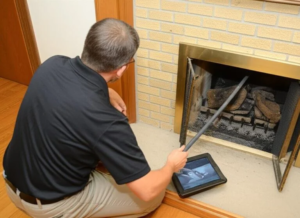
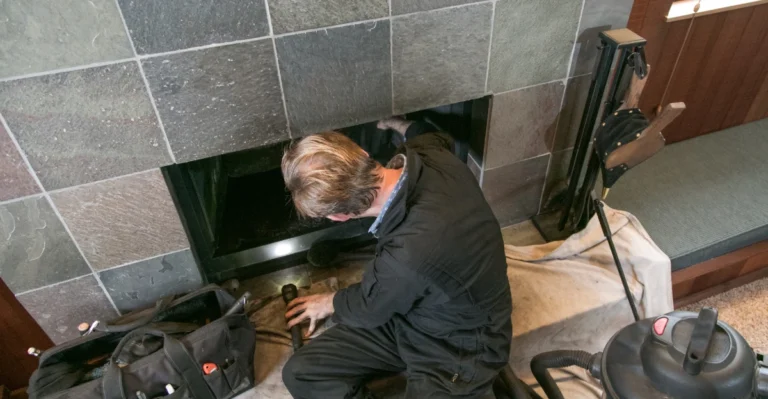
A professional chimney cleaning involves more than simply removing soot. Certified sweeps begin with a thorough inspection of the chimney’s interior and exterior. They assess the flue liner, damper operation, chimney cap, and masonry condition. Specialized tools are used to remove creosote and debris safely and effectively. Many sweeps also check for signs of animal nesting, moisture damage, and structural weaknesses. This comprehensive approach ensures that the chimney is both clean and safe for winter use.
Why Certified Chimney Sweeps Are Essential
Hiring a certified chimney sweep ensures that the work meets industry safety standards. Certified professionals undergo rigorous training and adhere to best practices for inspection and cleaning. They have the tools and expertise to handle stubborn creosote and identify hidden hazards that DIY methods often miss. Certified sweeps also provide documentation and recommendations, giving homeowners confidence that their chimney is winter-ready.
How Often Should You Clean Your Chimney in Sandy Springs?
Most certified chimney professionals recommend annual chimney cleaning and inspection, especially for homes that use fireplaces regularly. However, frequency can vary depending on fuel type, usage, and appliance design. Wood-burning fireplaces typically require more frequent cleaning due to higher creosote production. Even gas fireplaces should be inspected annually to ensure proper venting. In Sandy Springs, where seasonal weather contributes to debris buildup, annual pre-winter cleaning is strongly advised.
Preparing Your Fireplace for Winter: Pre-Cleaning Checklist
Before scheduling a chimney cleaning, homeowners can take a few steps to prepare. Removing fireplace accessories, clearing ash from the firebox, and ensuring clear access to the chimney area can help the process go smoothly. It’s also helpful to note any performance issues experienced during previous use. After cleaning, homeowners should follow maintenance recommendations provided by the sweep to keep the chimney in optimal condition throughout winter.
Choosing a Reliable Chimney Cleaning Service in Sandy Springs
Selecting the right chimney cleaning service is crucial for safety and quality. Homeowners should look for certified professionals with local experience and strong customer reviews. Proper licensing and insurance are essential, as is transparent pricing.
A reputable service will provide a detailed inspection report and clearly explain any findings or recommended repairs. Choosing a trusted local chimney sweep ensures reliable service and long-term peace of mind—contact us today to schedule your professional chimney cleaning and inspection before winter.
Conclusion: A Safer and Warmer Winter Starts With a Clean Chimney
Pre-winter chimney cleaning is not just a routine task—it is a critical safety measure for homeowners in Sandy Springs. Certified chimney sweeps consistently emphasize that regular cleaning prevents fires, improves indoor air quality, enhances heating efficiency, and protects the structural integrity of the chimney.
By scheduling professional chimney cleaning before winter, homeowners can enjoy their fireplaces with confidence, knowing their homes are safer, warmer, and more energy-efficient throughout the season. Investing in chimney maintenance today ensures peace of mind all winter long.
Frequently Asked Questions About Chimney Cleaning Before Winter
1. How do I know if my chimney needs cleaning?
Common signs include smoke backing up into the home, strong odors, visible soot buildup, and reduced fireplace performance. Even without obvious signs, annual cleaning is recommended.
2. Is chimney cleaning really necessary every year?
Yes. Certified chimney sweeps recommend yearly inspections and cleanings to prevent fire hazards, carbon monoxide issues, and structural damage.
3. How long does a professional chimney cleaning take?
Most cleanings take between 45 minutes and two hours, depending on chimney condition and accessibility.
4. Can a dirty chimney cause carbon monoxide poisoning?
Yes. Blocked or poorly ventilated chimneys can cause carbon monoxide to enter the home, posing serious health risks.
5.What happens if I skip chimney cleaning before winter?
Skipping cleaning increases the risk of chimney fires, poor heating efficiency, carbon monoxide exposure, and costly repairs.