For many homeowners, the fireplace is the centerpiece of a cozy home. Whether it’s a modern gas insert or a traditional wood-burning chimney fireplace, there is nothing quite like the warmth of a fire on a cold night. However, owning a fireplace comes with a responsibility that often leads to confusion: the difference between an inspection and a cleaning.
Are they the same thing? If you get a cleaning, do you still need an inspection? And most importantly, which one is required to ensure your family’s safety? Understanding the nuances of chimney fire safety starts with professional chimney cleaning and inspection services that address both hygiene and structural integrity.
What is a Chimney Inspection?
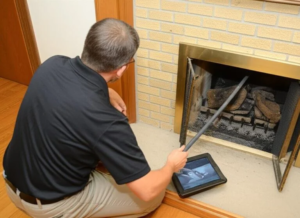
A fireplace chimney inspection is a diagnostic health check for your entire venting system. Think of it like a physical exam at the doctor’s office. The goal isn’t necessarily to “fix” or “clean” anything at that moment, but rather to identify structural issues, blockages, or hidden hazards that could lead to a disaster.
The Three Levels of Inspection
The National Fire Protection Association (NFPA) has categorized chimney inspection services into three levels, depending on the circumstances of the home:
- Level 1 Inspection: This is the most common. A technician will perform a visual check of the readily accessible portions of the chimney exterior, interior, and the accessible portions of the appliance and the chimney connection.
- Level 2 Inspection: Required if you are selling or buying a home, or after an event like a chimney fire. This often includes a chimney sweep inspection using a video camera to see deep inside the flue.
- Level 3 Inspection: This is the most invasive and is only necessary when a Level 1 or 2 inspection reveals a serious hidden problem requiring the removal of parts of the chimney or building structure.
What is a Chimney Cleaning (Sweep)?
While an inspection is a diagnosis, a chimney cleaning often referred to as a “sweep” is the treatment. The primary goal of a cleaning is the removal of soot and creosote from the chimney flue.
As wood burns, it releases smoke and gases. As these rise and cool, they condense into creosote, a highly flammable byproduct. If this buildup is left unaddressed, it becomes the primary fuel for a house fire. A professional clean sweep chimney service uses specialized brushes and high-powered vacuums to scrub the flue walls, ensuring that the passage is clear for smoke and toxic gases to exit the home safely.
Chimney Inspection vs. Cleaning: The Key Differences
To help you decide which service you need, let’s look at how they compare side-by-side:
| Feature | Chimney Inspection | Chimney Cleaning (Sweep) |
| Primary Goal | To identify structural damage or hazards. | To remove flammable creosote and soot. |
| Tools Used | Flashlights, cameras, and moisture meters. | Brushes, vacuums, and scraping tools. |
| When to Do It | At least once a year (Level 1). | When creosote buildup reaches 1/8 of an inch. |
| Benefit | Prevents structural collapse and gas leaks. | Prevents chimney fires and improves draft. |
Why You Might Need Both: Clean and Inspect Chimney
In most cases, a professional all seasons chimney service will perform a Level 1 inspection during a cleaning. However, they are not interchangeable. You should always aim to clean and inspect chimney systems simultaneously to ensure nothing is missed.
You can have a “clean” chimney that is structurally a chimney fire hazard. For example, you might have zero creosote buildup, but your chimney liner could be cracked. Conversely, a sturdy chimney can be so choked with soot that lighting a match creates a fire risk. This is why a comprehensive chimney sweep inspection is the gold standard for safety.
Is Your Chimney a Fire Hazard? Identifying the Risks
The biggest threat to any home with a fireplace is the “hidden” nature of the chimney. A chimney fire hazard inspection focuses heavily on the presence of creosote. This substance is the leading cause of thousands of chimney fires each year.
- Stage 1: Sooty and easy to clean.
- Stage 2: Crunchy and restricted airflow.
- Stage 3: Glazed and highly explosive.
If an inspection reveals Stage 3 creosote, a standard cleaning might not be enough. You may require chimney inspection and repair work if the glazed creosote has already caused heat damage to the flue tiles.
Signs You Need an Inspection Immediately
If you experience any of the following, do not light another fire until you have utilized professional chimney inspection services:
- Water Leaks: If you see water in your firebox, your chimney crown or flashing is compromised.
- Odors: A “musty” or “campfire” smell indicates creosote is reacting with high humidity.
- Animal Activity: If you hear scratching or chirping, a bird or squirrel may have blocked your flue with a nest.
- Visible Debris: Finding bits of clay tile or brick in your fireplace is a sign that your liner is disintegrating.
The Importance of Chimney Inspection and Repair
Sometimes, a fireplace chimney inspection reveals that neither a cleaning nor a minor repair will suffice. In older homes, chimneys often suffer from “spalling” (bricks popping off) or “tuckpointing” issues (mortar wearing away).
Comprehensive chimney restoration services or specific chimney inspection and repair tasks go beyond maintenance. They involve:
- Relining: Installing a new stainless steel liner to protect the home from heat.
- Masonry Repair: Rebuilding the chimney stack or crown to prevent water entry.
- Smoke Chamber Parging: Smoothing out the area above the firebox to improve airflow.
Investing in these services is a critical part of chimney fire safety. It ensures that the structural “envelope” of the fire is strong enough to withstand extreme temperatures.
How to Prepare for Your Service
Whether you are booking a technician to clean and inspect chimney flues or perform major repairs, you can make the process smoother by following these steps:
- Stop Using the Fireplace: Ensure the fireplace hasn’t been used for at least 24 hours so it is cool.
- Clear the Area: Move furniture and rugs at least 5 to 10 feet away from the hearth.
- Clear the Roof Access: If possible, ensure the area around the chimney on the roof is clear of debris.
Conclusion:
For simplicity and safety, most homeowners benefit from scheduling an annual chimney cleaning and inspection. This routine service helps remove soot and creosote buildup, improving overall performance while ensuring the chimney structure remains safe and sound. Regular maintenance also allows professionals to identify minor issues before they turn into costly or dangerous problems.
If your chimney hasn’t been inspected in over a year, you could be at risk of a potential chimney fire hazard without even realizing it. Creosote buildup is highly flammable and can ignite if left unchecked. By choosing a reputable chimney sweep service, you’re not just maintaining your fireplace, you’re actively protecting your home and your loved ones from avoidable dangers.
It’s easy to overlook chimney care until winter arrives, but waiting can increase risks. Take a proactive step toward safety and comfort by scheduling your chimney inspection and cleaning today, before the cold season begins.
Frequently Asked Questions
What is the main difference between a chimney inspection and a cleaning?
A chimney inspection focuses on identifying safety issues such as cracks, blockages, or structural damage inside the chimney system. In contrast, chimney cleaning removes soot, ash, and creosote buildup, which helps prevent fire hazards and ensures proper airflow.
How often should I schedule professional chimney inspection services?
It is recommended that homeowners schedule a professional chimney inspection at least once every year. Even if the fireplace is not used frequently, regular inspections help detect hidden damage, prevent safety risks, and ensure the chimney operates efficiently year-round.
Is it necessary to clean and inspect chimney flues if I use a gas fireplace?
Yes, gas fireplaces still require regular chimney inspections and occasional cleaning. Even without heavy soot buildup, issues like debris, nesting animals, or moisture can block airflow and lead to dangerous carbon monoxide leaks if left unchecked.
What happens during a standard chimney sweep inspection?
During a standard chimney sweep inspection, a technician cleans the flue to remove soot and creosote buildup. They also use specialized cameras or tools to examine the interior for cracks, obstructions, or liner damage that may affect performance or safety.
When does a fireplace chimney inspection lead to chimney inspection and repair?
A chimney inspection leads to repairs when issues such as cracked bricks, damaged flue liners, or malfunctioning dampers are discovered. Addressing these problems promptly is essential to maintain structural integrity, improve efficiency, and ensure the overall safety of your home.