A beautiful fireplace is a wonderful feature for any home in Johns Creek, providing warmth during chilly evenings and adding classic architectural charm. However, the exterior structure that makes your fireplace possible requires regular attention. Many homeowners overlook small lines or minor gaps in their brickwork, assuming they are just cosmetic flaws. In reality, ignoring these minor warning signs can lead to severe structural failures and costly repair bills down the road.
Every homeowner understands that routine property maintenance is the secret to protecting long term property value. While it is easy to notice a leaking roof or a broken window, other areas of the home are frequently overlooked because they sit high above our daily eyesight. The masonry stack on your roof is a prime example of a critical component that silently bears the brunt of harsh environmental conditions. What begins as a tiny hairline fracture in the mortar or brick can rapidly expand, leading to catastrophic structural failure if left unaddressed. If you want to protect your household from unexpected masonry collapse and interior moisture issues, scheduling a timely Chimney Bricks Repair in Johns Creek is the most effective way to address minor flaws before they transform into an expensive emergency.
Why Do Small Chimney Cracks Happen?
Chimneys are exposed to harsh weather conditions all year round. In Johns Creek, the combination of intense summer heat, heavy rain, and winter freeze-thaw cycles puts constant stress on masonry.
When moisture gets into the porous surface of your chimney, it settles inside tiny spaces. When the temperature drops, this water freezes and expands, putting pressure on the surrounding materials. This cycle causes chimney mortar cracks to open up, weakening the bond that holds your entire chimney together.
Understanding Chimney Bricks Repair in Johns Creek
When it comes to restoring your masonry, a generic patch job from a hardware store will not cut it. True restoration requires specialized knowledge of regional building materials and environmental stressors. Professional chimney bricks repair in Johns Creek ensures that the replacement materials match the strength, porosity, and thermal expansion traits of your original structure.
The repair process often involves carefully removing damaged sections without disturbing the stable bricks around them. This requires precision tools and an experienced hand to avoid causing further stress fractures. Once the area is prepared, new materials are seamlessly integrated.
Using the wrong type of mortar is a common mistake made by inexperienced contractors. If the new mortar is harder than the original brick, it will cause the brick to break during natural thermal expansion. Expert chimney bricks repair in Johns Creek balances these material dynamics perfectly, guaranteeing that the structure remains stable, water-resistant, and visually appealing for decades.
The Costly Progression of Chimney Deterioration
Ignoring minor issues accelerates chimney deterioration. What begins as a hairline fracture can easily turn into a major structural failure within just one or two seasons.
- Water Infiltration Water is the primary enemy of brickwork. Once a crack forms, rain flows directly into the interior structure, causing widespread chimney water damage that can rot surrounding wood roof framing and ruin your ceilings.
- Spalling Bricks As water repeatedly freezes and thaws inside the masonry, the faces of the bricks begin to pop off and crumble. Seeing chimney spalling bricks at the base of your roof is a clear sign that the structural integrity of your chimney is failing.
- Flue and Liner Problems Cracks do not just stay on the outside. Intense operational heat can lead to chimney flue cracks. A cracked chimney liner can no longer properly contain toxic gases or intense heat, creating a major fire risk for your household.
Identifying Key Areas of Chimney Masonry Damage
Masonry issues show up in several different ways, and each symptom points to a specific underlying problem. Being able to recognize these signs allows you to describe the problem accurately when you call for professional assistance. Regular visual checkups can help you spot issues before they ruin your roof or fireplace. Look out for these trouble zones:
Mortar Joint Failures
Mortar acts as the glue holding your bricks in alignment while keeping water out. When you start noticing chimney mortar cracks, it means your primary defense line has been breached. As the old mortar softens and turns to dust, it leaves the raw edges of your bricks entirely unprotected against wind and driving rain.
Spalling Bricks
If you look out into your yard and find red fragments or powder on your grass, your home is suffering from chimney spalling bricks. This happens when moisture gets trapped so deep inside the brick body that the freezing action pops the outer face clean off, leaving a soft, exposed interior.
Crown Failures
The concrete pad sitting at the very top of your structure is the crown, which exists to shed rainwater away from the brick faces. Because it takes direct impact from sun and hail, chimney crown cracks are incredibly common. Once the crown breaks apart, water flows straight down the center of the masonry body.
The presence of continuous chimney mortar cracks means the binding system is actively failing to hold weight evenly. Furthermore, letting chimney spalling bricks go unchecked will eventually leave your chimney looking hollowed out and unstable. If you do not patch chimney crown cracks early, you are essentially allowing every rainstorm to flood the interior core of your chimney.
Why Chimney Crown Cracks Matter?
The chimney crown is the large slab of concrete that sits on top of your chimney, acting as a protective roof for the entire masonry structure. It is designed to shed water outward and away from the vertical brick walls below. Because the crown is completely flat and fully exposed to the sun and rain, it experiences extreme thermal expansion.
Over time, sun exposure and temperature shifts cause chimney crown cracks to form across the concrete surface. When the crown splits open, it allows rainwater to pour straight down into the internal core of the masonry walls. Instead of shedding water away, a damaged crown acts like a funnel, soaking the interior bricks and mortar from the inside out, making crown maintenance absolutely vital for long term masonry health.
Essential Steps for Preventing Chimney Water Damage
Water is the absolute number one cause of all masonry failures. If you can control how moisture interacts with your brickwork, you can prevent almost every major structural issue from developing in the first place. Defending your home requires a combination of structural barriers and specialized chemical protectants.
- Apply Breathable Waterproofing: Use a specialized professional water repellent during Chimney Weatherproofing to coat the exterior surfaces. Unlike standard paints that trap moisture inside, a breathable sealer allows internal vapors to escape while preventing liquid rain from sinking into the brick pores.
- Install a Sturdy Chimney Cap: Protect the open flue from direct rainfall, snow, debris, and wildlife infestation.
- Maintain the Concrete Crown: Regularly check and seal the top slab to ensure water continues to shed away from the bricks.
Combining these elements creates an elite defense system that prevents chimney water damage and keeps your fireplace dry and structurally sound for decades.
The Evolution of Chimney Structural Damage
When minor cracks are neglected for multiple years, the accumulated moisture and freeze cycles lead to total structural failure. The weight of the upper chimney stack begins to crush the weakened, hollow bricks at the base, causing the entire tower to become unstable.
Advanced chimney structural damage often manifests as a visible lean or tilt away from the house framing. At this stage, the chimney is at a high risk of collapsing during a high wind event or heavy storm. A collapsing chimney can crash through your roof, destroy your ceilings, and cause devastating injuries to anyone inside or near the home. Taking care of minor repairs early ensures you never have to deal with the extreme stress and massive financial burden of a structural collapse.
How Professionals Handle Chimney Crack Repair
Resolving masonry defects requires specialized tools and materials that standard hardware stores do not carry. When you hire an expert team to address structural vulnerabilities, they follow a precise diagnostic and restoration process.
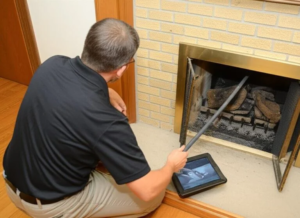
- Thermal Camera Inspections: Technicians use specialized cameras to drop down the flue and locate hidden structural gaps that are invisible from the roof line.
- Precision Mortar Matching: New mortar is carefully mixed to match the strength, color, and composition of the original structure to prevent future cracking.
- Elastomeric Fillers: Crown and flashing gaps are sealed with highly flexible materials that stretch during summer heat waves without splitting open.
This methodical approach to chimney crack repair ensures that every layer of your fireplace venting system is completely restored to factory standards.
Conclusion:
Do not wait for a minor hairline fracture to compromise your property’s safety and structural integrity. Protecting your home from expensive masonry overhauls starts with dependable local care.
The certified team at CFC Clean Fix Chimneys is ready to diagnose hidden masonry flaws, repair damaged liners, and seal your brickwork against deep water penetration. We deliver reliable, high-quality restoration solutions designed to withstand harsh weather conditions. Contact us today to book your professional evaluation and ensure your fireplace remains safe, functional, and completely weatherproof all year round. Your peace of mind is our top priority.
Frequently Asked Questions
Why is my chimney cracking?
Chimney cracks happen when water seeps into porous bricks and mortar. During cold weather, this trapped moisture freezes and expands, fracturing the masonry. Natural home settling and heat stress from the fireplace also cause splits.
Is a cracked chimney covered by homeowners insurance?
Insurance covers cracked chimneys only if sudden, unexpected events like lightning, earthquakes, or storms caused the damage. Standard policies will flatly deny claims if the fractures resulted from gradual neglect or normal wear and tear.
What happens if you ignore chimney cracks?
Neglecting small cracks allows water to rot your roof framing and ruin interior drywall. Over time, the structural core hollows out, causing the entire masonry tower to tilt or collapse completely through your roof during storms.
How do I know if my chimney needs repair?
Look for crumbling mortar, missing brick faces on your roof, or white powdery stains on the exterior. Inside your home, watch out for damp drywall patches near the fireplace, peeling paint, or persistent smoky odors.
Can chimney cracks cause carbon monoxide leaks?
Yes. Cracked liners or internal flue fractures break the airtight pathway meant to exhaust toxic gases. Instead of exiting safely outside, dangerous, odorless carbon monoxide can leak horizontally through the masonry gaps directly into your living spaces.