There’s a common assumption among homeowners: if you barely use your fireplace, it doesn’t need much attention. You light it a handful of times each winter, it looks perfectly fine, and everything seems to work. So why bother with an annual inspection?
Whether your fireplace roars to life every December evening or sits dormant for most of the year, the risks that come with skipping an annual inspection are very real and very costly. Here’s everything you need to know about why that yearly checkup matters more than you think.
The “I Barely Use It” Myth
Many homeowners equate minimal use with minimal risk. It’s a logical assumption, but it doesn’t hold up when you understand how chimneys actually work.
Here’s the truth: a fireplace that sits unused for months can develop serious problems that have nothing to do with how often it’s burned. Moisture, wildlife, structural settling, and material deterioration don’t clock off just because you haven’t lit a fire recently. In many cases, an infrequently used chimney can accumulate hidden hazards faster than one that’s cleaned and inspected on a regular schedule.
The National Fire Protection Association (NFPA) and the Chimney Safety Institute of America (CSIA) both recommend annual chimney inspections for all fireplaces, regardless of usage frequency. That guidance isn’t just a formality. It’s rooted in decades of fire investigation data. Even homeowners with a modern Gas Fireplace Inspectionin Atlanta schedule should still prioritize yearly evaluations to ensure safe operation and proper ventilation.
6 Reasons Your Rarely-Used Fireplace Still Needs an Annual Inspection
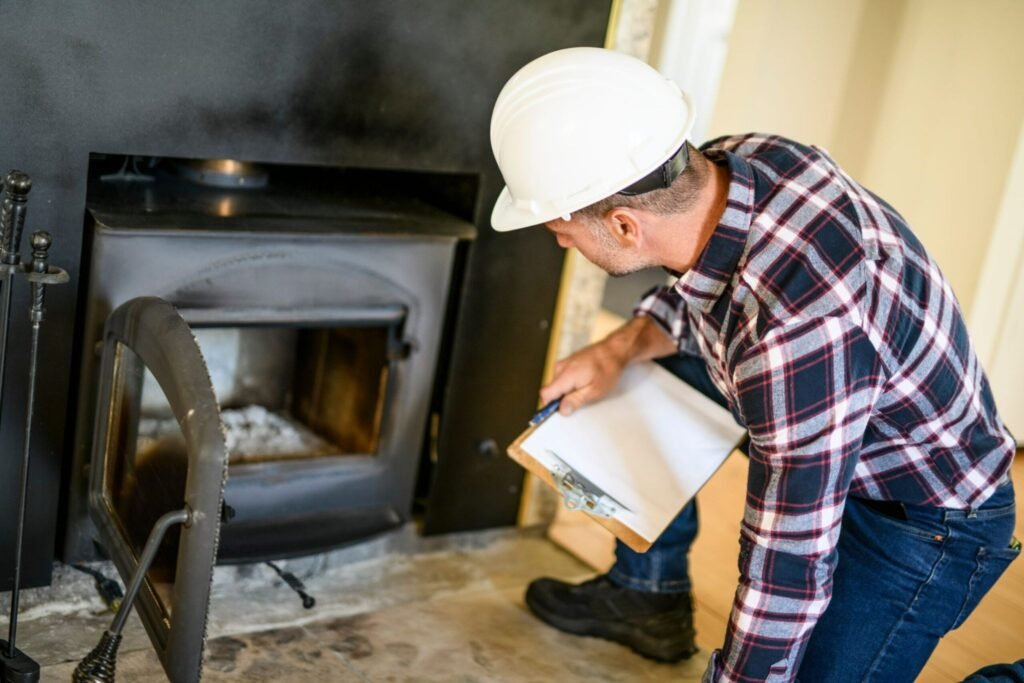
1. Animals and Debris Can Move In Without You Knowing
When a chimney sits quiet and unused, it becomes an attractive home for birds, squirrels, raccoons, and other wildlife. Nesting materials, twigs, leaves, feathers, insulation can pile up inside the flue without you ever noticing from inside the house.
When you eventually do light that fire, those blockages can prevent smoke and carbon monoxide from safely venting out of your home. Smoke backs up into your living room, and in the worst case, toxic gases are silently pushed into your breathing space.
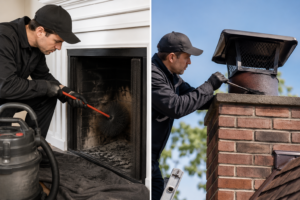
A chimney cap helps, but it’s not foolproof. An annual inspection ensures the flu is fully clear and that the cap itself hasn’t been damaged, shifted, or compromised between uses. Regular Chimney Cleaning in Atlanta also helps remove debris buildup and keeps airflow moving safely through the chimney system.
2. Moisture Damage Happens Year-Round
Water is the single biggest enemy of any chimney system and it doesn’t care whether you’ve used the fireplace this winter or not.
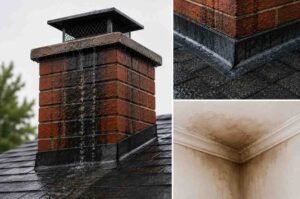
Rain, snow, and humidity work their way into small cracks in the chimney crown, mortar joints, and brick exterior throughout the year. Once moisture gets inside, it leads to:
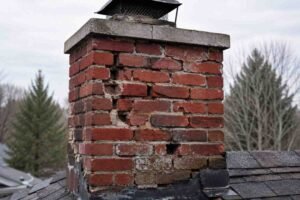
- Spalling bricks – where water freezes and expands, causing the masonry surface to flake and crumble
- Rusting dampers and components – making them difficult or impossible to operate
- Deteriorating flue liners – cracked liners allow h eat and combustion gases to leak into the surrounding wall structure
- Mold growth – in areas around the firebox and smoke chamber
A professional inspector will catch moisture damage in its early stages before it turns into a $3,000 chimney rebuild. In some cases, early Gas Fireplace Repair or chimney maintenance can prevent small issues from becoming major structural problems.
3. Creosote Can Still Build Up From Minimal Use
Even one or two fires per season is enough to leave creosote deposits inside your flue. Creosote is a tar-like, highly flammable byproduct of burning wood. It clings to the interior walls of the chimney, and if it builds up to even a thin layer, it becomes a serious fire hazard.
What makes occasional use particularly risky is this: low, smoldering fires the kind people often use for ambiance rather than heat produce more creosote than hot, efficient fires. If you’re burning a few quiet, slow-burning fires a year and not getting your chimney inspected, creosote accumulation can sneak up on you.
Chimney fires burn at temperatures exceeding 2,000°F. They can crack flue tiles, warp metal components, and spread to the surrounding home structure in minutes. Annual inspection and cleaning eliminates this risk entirely.
4. Structural Issues Don’t Announce Themselves
Chimneys are exposed to the elements 365 days a year. Freeze-thaw cycles, wind, rain, UV exposure, and the simple passage of time all take a toll on the masonry and mortar. Structural deterioration is gradual and largely invisible from inside your home.
A trained chimney inspector looks for:
- Cracks in the flue liner – which can allow heat and gases to breach the chimney walls
- Separation or gaps in mortar joints – compromising the structural integrity of the chimney stack
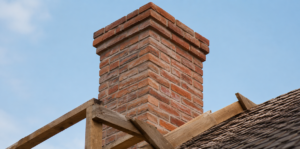
- A damaged or missing chimney crown – the concrete cap at the very top that sheds water away from the flue opening
- Leaning or tilting of the chimney structure – an early sign of foundation or footing issues
None of these problems are visible from your living room floor. By the time they show symptoms you can see water stains on the ceiling, crumbling bricks near the roofline the damage is already significant.
5. Carbon Monoxide Is Invisible and Odorless
Of all the risks associated with a neglected fireplace, carbon monoxide (CO) poisoning is the most quietly dangerous. CO is produced any time fuel is burned wood, gas, or pellets and if your chimney isn’t venting properly, it can seep back into your living space.
Blocked flues, damaged liners, and improper chimney drafts are all causes of CO backdrafting. Since CO has no color, taste, or smell, many homeowners don’t realize there’s a problem until they’re already symptomatic or worse.
An annual inspection verifies that your chimney draws properly and that combustion gases are exiting the home the way they’re supposed to. This is true even for gas fireplace owners, who often mistakenly believe they’re exempt from inspection requirements. Gas appliances produce less creosote, but they’re still vulnerable to blockages, venting failures, and liner deterioration.
6. Your Homeowner’s Insurance May Require It
This is the piece most homeowners don’t know until it’s too late. Many homeowner’s insurance policies include clauses that require regular chimney maintenance and inspection. If a fire breaks out and an investigation reveals the chimney was neglected, your claim could be denied leaving you to cover the damages out of pocket.
An annual inspection report from a certified chimney professional creates a documented maintenance record. It protects you not just physically, but financially.
What Does an Annual Fireplace Inspection Actually Cover?
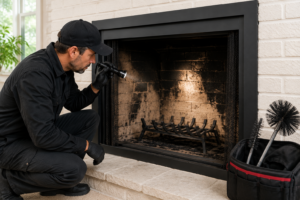
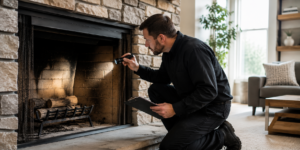
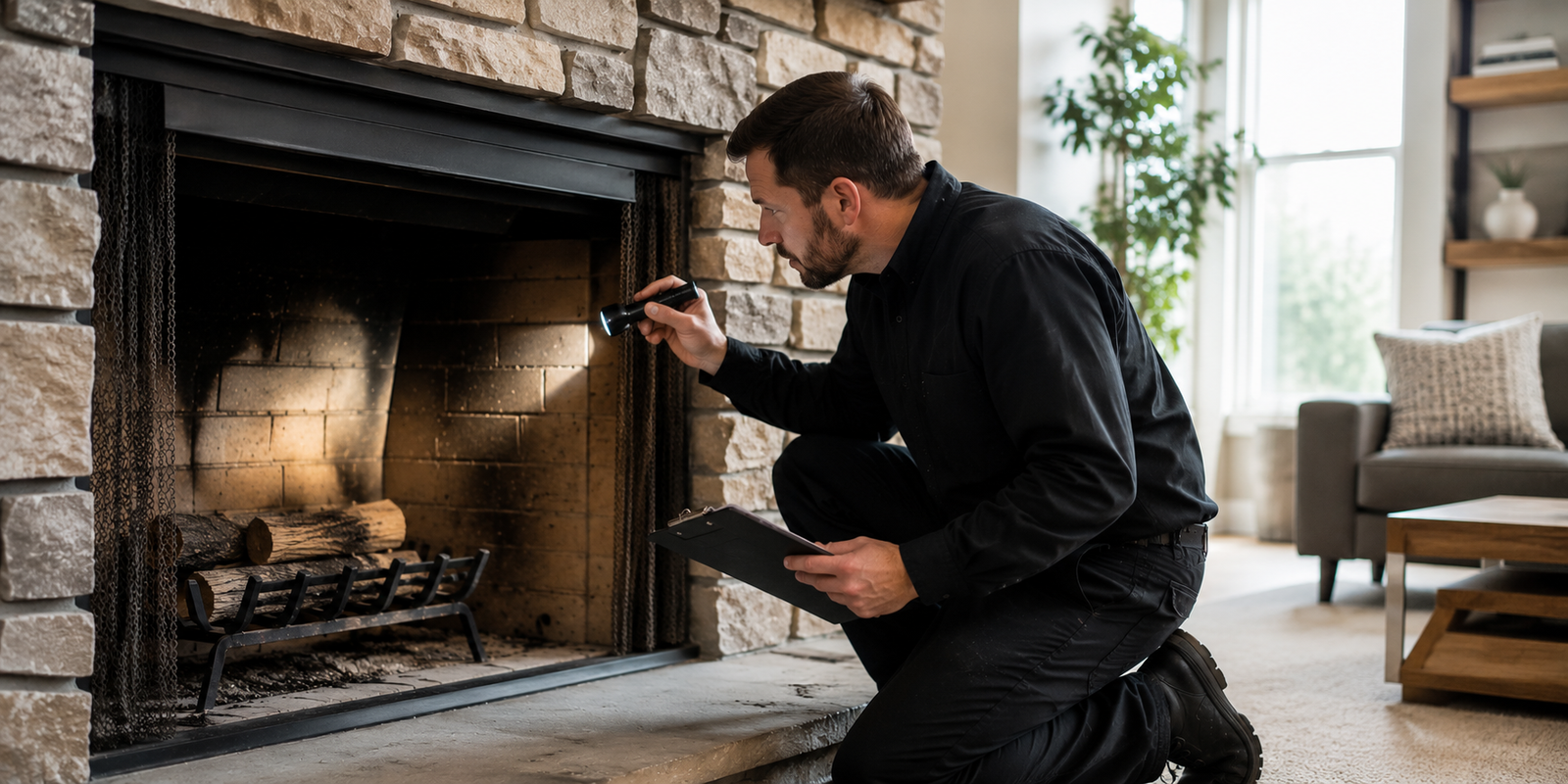
A standard Level 1 inspection the type recommended for chimneys with no recent changes or known problems includes a visual examination of:
- The firebox and damper
- The smoke chamber and smoke shelf
- The flue and flue liner
- The chimney crown and chimney cap
- The exterior masonry and mortar joints
- Any accessible internal surfaces
The whole process typically takes under an hour and costs far less than even a minor chimney repair. Think of it the same way you think about an annual HVAC service or a car inspection: the cost of prevention is always lower than the cost of the problem.
When Should You Schedule It?
Most professionals recommend scheduling your inspection in late summer or early fall before you need the fireplace for the first time. This gives you time to address any repairs before the cold sets in, and it’s typically when chimney services have more availability.
If your fireplace hasn’t been inspected in more than a year, there’s no wrong time to schedule one. Today is always better than next season.
Final Thoughts
A fireplace adds warmth, comfort, and character to a home. But it’s also a system one that requires regular professional attention to stay safe, regardless of how often the flames are lit.
Don’t let the “I barely use it” assumption put your home and family at risk. An annual inspection is a small investment that protects against fire, structural damage, carbon monoxide exposure, and unexpected repair bills.
Frequently Asked Questions
Homeowners should schedule a professional fireplace inspection at least once a year, even if the fireplace is rarely used. Annual inspections help detect hidden safety risks, moisture damage, venting problems, and creosote buildup before they become costly issues.
Yes, Chimney Cleaning is still important with occasional fireplace use. Even small fires can create creosote buildup inside the flue, while debris, animal nests, and moisture can develop over time and create serious ventilation or fire hazards.
A yearly Gas Fireplace Inspection ensures your gas fireplace vents properly and operates safely. Inspectors check for gas leaks, damaged components, ventilation blockages, and carbon monoxide risks that may not be noticeable during regular fireplace use.
Common signs include unusual odors, difficulty starting the fireplace, weak flames, strange noises, soot buildup, or inconsistent heating. Prompt Gas Fireplace Repair helps prevent larger safety issues and keeps the fireplace operating efficiently throughout the season.
Yes, some homeowner’s insurance policies may require proof of regular fireplace maintenance and inspections. If a chimney fire or related damage occurs due to neglect, insurance claims could potentially be delayed, reduced, or denied altogether.