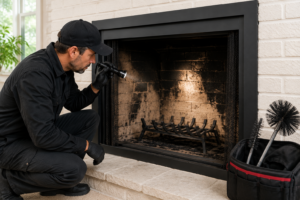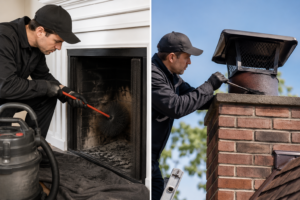
If you use your fireplace even occasionally, getting a chimney inspection is not optional. It is an important part of maintaining home safety and preventing hidden fireplace problems. Many homeowners assume that if smoke goes up the chimney normally, everything must be working correctly. In reality, serious chimney problems can develop quietly inside the system long before visible signs appear.
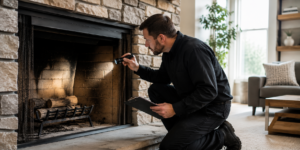
A professional Chimney Inspection in Atlanta helps identify fire hazards, moisture damage, airflow restrictions, and structural issues before they become dangerous or expensive. Whether you use a traditional wood-burning fireplace or a gas unit, routine inspections help ensure the entire venting system operates safely.
Homeowners with gas fireplaces should also understand the importance of a professional Gas Fireplace Inspection in Roswell. Gas systems may appear cleaner than wood-burning fireplaces, but damaged venting systems, gas leaks, or worn components can still create serious safety risks if left untreated.
Why Chimney Inspections Matter More Than Most People Realize
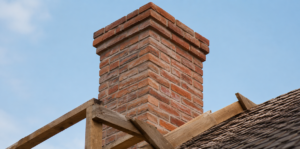
From the outside, most chimneys appear solid and durable. Brick, mortar, and metal components are designed to last for many years. However, hidden damage can develop slowly inside the chimney without obvious warning signs.
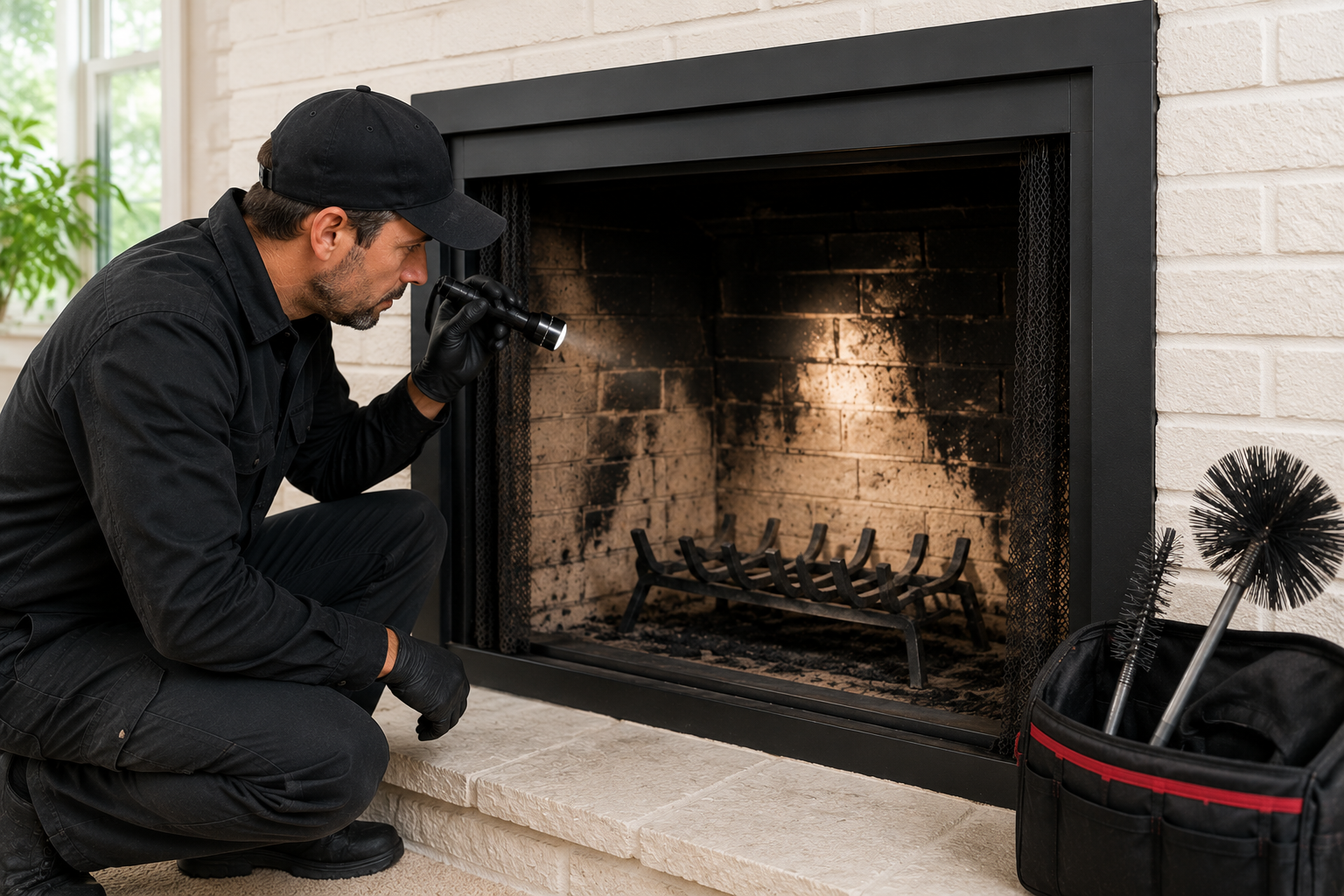
Each time wood burns inside a fireplace, creosote forms along the inner walls of the flue. Creosote is highly flammable and is one of the leading causes of chimney fires. Over time, excessive buildup creates serious safety risks if the chimney is not professionally cleaned and inspected.
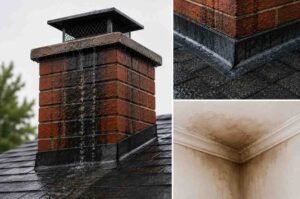
Atlanta’s humid climate can also cause moisture damage inside the chimney structure. Water slowly enters small cracks in masonry and weakens mortar joints over time. Animals often enter uncapped chimneys and leave behind nests, debris, or airflow blockages.
Most homeowners do not notice these problems until smoke backs into the house, strange odors appear, or visible damage becomes severe.
The National Fire Protection Association recommends annual chimney inspections for all fireplaces and venting systems, even if they are not used frequently. An unused chimney can still develop structural damage, moisture issues, or airflow restrictions.
For homeowners with gas systems, regular Gas Fireplace Inspection in Roswell services are equally important because damaged gas vents or blocked flues may create dangerous ventilation problems.
The Three Levels of Chimney Inspection
Chimney inspections are not one-size-fits-all. The Chimney Safety Institute of America (CSIA) and NFPA define three distinct levels, each suited to different circumstances.
Level 1 Inspection
A Level 1 inspection is the standard annual check for a chimney that has been regularly maintained, has no recent changes made to it, and continues to be used in the same way as before.
During a Level 1 inspection, a certified technician will:
- Visually examine all accessible portions of the chimney interior and exterior
- Check the firebox, smoke chamber, and damper for condition and proper operation
- Look at the flue liner for blockages, buildup, and visible damage
- Inspect the chimney cap, crown, and flashing from the ground or roofline
- Assess the general structural integrity of the chimney
No special tools or equipment are required for this level. It is a thorough visual assessment by a trained professional who knows exactly what warning signs to look for.
When you need it: Annually, before the heating season begins typically in late summer or early fall in the Atlanta area.
Level 2 Inspection
A Level 2 inspection goes deeper. It includes everything in Level 1, plus a video camera scan of the entire flue from top to bottom. This gives the technician a detailed look at the interior surfaces of the liner areas that are completely inaccessible to the naked eye.
A Level 2 inspection is required in the following situations:
- You recently purchased the home and have no inspection history for the chimney
- You are changing your heating appliance (switching from wood-burning to gas, for example)
- The chimney experienced a chimney fire, even a small one you may not have noticed
- There was a weather event a lightning strike, earthquake, or significant structural impact affecting the home
- You are selling the home and need documentation of chimney condition
The camera scan in a Level 2 inspection is essential for catching cracks in the flue liner, separated joints, or deteriorated sections that pose real fire and carbon monoxide risks. These problems are invisible without video equipment and are among the most dangerous chimney defects a homeowner can face.
At CFC Clean Fix Chimneys, Level 2 inspections include digital photos and a full written report so you have documentation of your chimney’s condition and a clear picture of any repairs needed before spending a dollar on them.
When you need it: Any time ownership, appliance type, or chimney condition changes and always when buying or selling a home.
Level 3 Inspection
A Level 3 inspection is the most intensive and least common. It involves everything covered in Levels 1 and 2, plus the physical removal of components such as chimney crowns, interior walls, or even sections of masonry to access and evaluate areas that cannot be reached otherwise.
This level is typically triggered when a Level 2 inspection reveals evidence of serious structural damage that cannot be fully assessed without opening up part of the chimney system.
When you need it: Only when directed by a certified inspector based on evidence of severe deterioration or damage.
What a Chimney Inspector Checks
Beyond understanding the levels, it helps to know exactly what parts of your chimney system receive attention. Here is a breakdown of every major component that a certified inspector evaluates.
The Firebox
The firebox is the interior chamber where the fire actually burns. Inspectors look for cracks in the refractory panels (the panels lining the firebox walls), damage to the firebrick, and deterioration of the mortar joints. A cracked firebox is a fire hazard heat can transfer through those cracks to combustible materials behind the walls.
The Damper
The damper controls airflow between the firebox and the flue. Inspectors check that it opens and closes fully, seals properly when closed, and shows no signs of rust, warping, or mechanical failure. A stuck or broken damper wastes energy in winter and allows pests and moisture into the flue when the fireplace is not in use.
The Smoke Chamber and Smoke Shelf
The smoke chamber sits just above the firebox and directs smoke up into the flue. The smoke shelf catches falling debris and rain. Both areas are inspected for creosote buildup, cracks, and structural integrity.
The Flue Liner
The flue liner is arguably the most critical safety component in your chimney. It channels combustion gases including carbon monoxide safely out of your home. Inspectors check for cracks, spalling, separated joints, and deterioration that would allow those gases or heat to escape into the surrounding structure.
Clay tile liners, which are common in older Atlanta homes, are especially prone to cracking under the stress of repeated heating and cooling cycles. A compromised flue liner is not a cosmetic issue it is a structural fire hazard that requires immediate attention.
The Chimney Crown
The chimney crown is the concrete or mortar cap that covers the top of the chimney, protecting it from water infiltration. Atlanta’s rainy seasons accelerate crown deterioration. Inspectors check for cracks, chips, and separation from the chimney walls that allow moisture to enter and damage the masonry below.
The Chimney Cap
The chimney cap sits on top of the flue opening and serves as the first line of defense against rain, debris, and animals. A missing or damaged chimney cap is one of the most common causes of chimney blockages and moisture damage. Inspectors verify that the cap is securely in place and in good condition.
Flashing
Chimney flashing is the metal material that seals the joint between the chimney and the roof. When it fails through rust, separation, or improper installation water enters the home at the roofline and causes damage that can extend far beyond the chimney itself. Inspectors check flashing conditions carefully.
Exterior Masonry
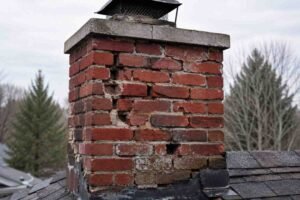
The inspector evaluates the exterior brickwork and mortar joints for signs of spalling, erosion, and water damage. Tuckpointing (replacing deteriorated mortar) is often needed on older chimneys. Left unaddressed, failed mortar joints allow water into the chimney structure and accelerate deterioration significantly.
How Long Does a Chimney Inspection Take?
A standard Level 1 inspection takes approximately 45 minutes to one hour. A Level 2 inspection with a full camera scan typically runs one and a half to two hours, depending on the complexity of the chimney system and the findings encountered.
CFC Clean Fix Chimneys offers flexible scheduling, including same-day inspections when available, which matters in Atlanta when homeowners want to get their fireplace ready before temperatures drop in October and November.
What Happens After the Inspection?
Once the inspection is complete, your technician will walk you through their findings in plain language. You should receive:
- A clear explanation of the chimney’s current condition
- Identification of any defects, safety concerns, or maintenance needs
- Recommended next steps, whether that is a cleaning, a specific repair, or monitoring a minor issue over time
- A written report, particularly for Level 2 inspections
A good inspector does not push unnecessary services. They give you an honest assessment and let you make an informed decision. If repairs are needed, you should receive a clear quote before any work begins.
Signs You Should Schedule an Inspection Sooner Rather Than Later
Do not wait until your annual check if you notice any of the following:
- Smoke backing up into your home – This indicates a blockage, a damper problem, or a draft issue.
- A strong odor coming from the fireplace – Often a sign of excessive creosote or moisture intrusion.
- White staining on the chimney exterior – Called efflorescence, this is caused by water moving through the masonry and is an early warning sign of moisture damage.
- Visible cracks in the chimney or firebox – Any cracking warrants immediate professional attention.
- Debris falling into the firebox – Mortar, brick fragments, or animal nesting material indicate something is wrong inside.
- You have not used the fireplace in years – Inactivity does not protect a chimney. It may actually create different problems like animal nests and moisture accumulation.
Final Thought
A chimney and fireplace inspection is not a bureaucratic checkbox. It is the single most effective way to catch problems before they become house fires, carbon monoxide incidents, or four-figure repair bills. Atlanta’s climate with its humidity, seasonal temperature swings, and rainy winters accelerates chimney wear faster than many homeowners expect.
Whether you use your fireplace every weekend from November through February or only light it for the holidays, an annual inspection by a certified technician keeps your chimney functioning safely and extends its lifespan significantly.
Frequently Asked Questions
How much does a chimney inspection cost in Atlanta, GA?
A standard Level 1 chimney inspection in Atlanta typically costs between $100 and $200. A Level 2 inspection with a video camera scan generally ranges from $200 to $350. Pricing varies based on the size of the chimney system and the company you hire. Always confirm what is included before booking.
Can I inspect my chimney myself?
You can visually check the firebox and damper on your own, but a full inspection requires trained eyes and, for Level 2, video camera equipment. DIY checks miss the interior flue conditions, flashing integrity, and structural details that only a certified technician can properly assess. A professional inspection is worth the cost.
How often should I get a chimney inspection in Atlanta?
Once a year is the standard recommendation from both the NFPA and CSIA. In Atlanta, scheduling your inspection in late summer August or September puts you ahead of the rush and ensures your fireplace is ready before the first cold nights arrive.
Do gas fireplaces need chimney inspections?
Yes. Gas fireplaces still produce combustion byproducts, including carbon monoxide, which vent through a flue or venting system. The venting components, connections, and gas logs all require annual inspection to ensure they are operating safely and efficiently.
What if the inspector finds a problem?
Do not panic. Many chimney issues, minor mortar deterioration, light creosote buildup, and a damaged cap are straightforward to fix and not expensive when caught early. The inspector will explain what was found, the severity, and your options. You are never obligated to proceed with repairs on the spot.