If you own a home in Roswell, Georgia, your chimney is one of the hardest-working structures on your property and one of the most overlooked. It handles intense heat from within and endures rain, humidity, and seasonal temperature swings from the outside. Over time, that combination takes a toll. Bricks crack. Mortar crumbles. Water finds its way in.
The result? What starts as a minor cosmetic issue quietly develops into a structural problem that threatens the entire chimney system and sometimes the home itself.
Masonry repairs are not a luxury or a “someday” project. For homeowners in Roswell, they are one of the most direct investments you can make in your chimney’s performance, safety, and long-term durability. Proper Masonry Chimney Repair service in Roswell help homeowners address these issues before they compromise the entire chimney structure. Here is a closer look at why that matters, what to watch for, and when to call in a professional.
The Roswell Climate and What It Does to Masonry
Roswell sits in the northern Georgia piedmont, where the weather rarely stays predictable for long. Winters bring freeze-thaw cycles that are particularly hard on masonry. When moisture seeps into brick or mortar joints and then freezes overnight, it expands creating microscopic fractures. Repeated over an entire season, those fractures widen.
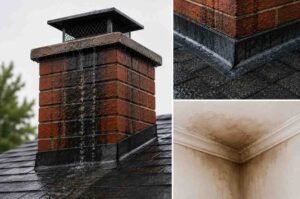
Summer is no kinder. High humidity keeps masonry damp for extended periods, encouraging efflorescence, mold growth on mortar joints, and the slow deterioration of the bonding material that holds everything together. Heavy spring rains accelerate water infiltration, especially when the chimney cap, crown, or flashing is already compromised.
The point is this: the climate in Roswell actively works against your chimney. Masonry repairs are the countermeasure.
What Masonry Repairs Actually Involve
“Masonry repair” covers a range of services, each targeting a specific failure point:
Tuckpointing and Repointing
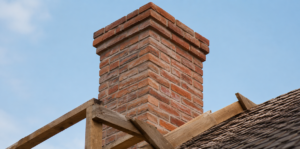
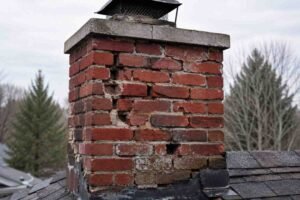
Mortar joints are the first line of defense between your chimney’s bricks and the outside world. When mortar erodes and it will, typically after 25 to 30 years under normal conditions gaps form. Water enters those gaps, accelerating deterioration of the surrounding bricks. Tuckpointing removes the damaged mortar and replaces it with fresh material, restoring the joint’s integrity and sealing the chimney against moisture intrusion.
Spalling Brick Replacement
Spalling occurs when moisture trapped inside a brick freezes and forces the face of the brick to flake or pop off. Left unaddressed, spalling spreads. Individual bricks become structurally compromised, and eventually entire sections of the chimney become unstable. Replacing spalled bricks early prevents what would otherwise become a far larger and more expensive reconstruction project.
Crown Repair and Rebuilding
The chimney crown is the concrete cap that seals the top of the chimney structure, leaving only the flue liner opening exposed. A cracked or deteriorating crown is one of the leading causes of water damage inside a chimney. Repairing or rebuilding the crown directs rainwater away from the flue and the masonry below.
Chimney Cap Installation and Repair
A properly fitted chimney cap sits over the flue opening and serves as the first barrier against rain, debris, and wildlife. Caps corrode, blow off in storms, or crack over time. Replacing a damaged cap is one of the simplest and most cost-effective masonry-related repairs available.
Flashing Repair
Flashing is the metal seal between the chimney and the roofline. When it fails through rust, improper installation, or storm damage water runs directly into the junction between chimney and roof, causing damage to both. Correcting flashing issues is often paired with other masonry repairs.
Why Delaying Repairs Costs More in the Long Run
There is a predictable pattern in chimney deterioration: small problems ignored become large ones. A minor crack in the mortar that costs a few hundred dollars to address can, over two or three winters, allow enough water intrusion to compromise the brick core of the chimney, damage interior framing, or lead to liner failure. At that point, you are looking at costs that are several times higher than the original repair.
Beyond the financial argument, there is a safety dimension. Chimneys with significant masonry damage can allow combustion gases including carbon monoxide to migrate into the living space rather than exhausting properly through the flue. A chimney that appears to be functioning normally from the outside may have internal damage that poses real risk. This is one reason annual inspections exist.
When masonry issues are caught and addressed promptly, the chimney remains structurally sound, drafts properly, and continues doing exactly what it was built to do.
Signs Your Roswell Chimney Needs Masonry Attention
You do not need to be a mason to recognize the warning signs. The following are worth paying attention to:
- White staining on the exterior brickwork (efflorescence) – indicates moisture moving through the masonry
- Visible gaps or missing sections in mortar joints – particularly common on the upper courses of the chimney
- Flaking or chipped brick faces – classic spalling
- Cracks in the chimney crown – visible from the ground with binoculars or from the roof
- Rust stains around the firebox or damper – suggests water is getting in somewhere above
- Musty or damp odors from the fireplace – especially after rain
- Mortar or brick fragments in the firebox – pieces falling from above
If any of these signs are present, a professional inspection is the appropriate next step. Attempting to assess structural chimney damage without the right training and access can lead to missed issues.
The Role of Professional Masonry Repair Services
Not all chimney companies offer the same depth of masonry expertise. The repair work needs to be done with materials that are compatible with existing construction, the wrong mortar mix, for example, can actually accelerate damage rather than prevent it. Soft lime mortars used in older construction require different repair compounds than modern Portland cement-based systems.
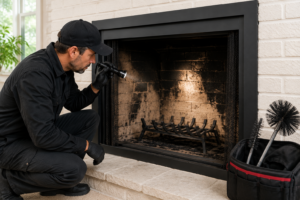
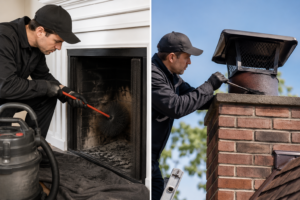
Experienced chimney professionals conduct a thorough assessment before recommending any repair. They evaluate not just the visible exterior but the internal structure, the flue liner condition, and the relationship between masonry damage and other components like the cap, crown, and flashing.
For Roswell homeowners looking for that level of service, CFC Clean Fix Chimney’s chimney repair services in Roswell, GA offer comprehensive masonry repair work tailored to the specific conditions and construction styles found in the area. Their team works with both older and newer chimneys, addressing the full range of masonry issues rather than surface-level fixes. Their expertise in Chimney Construction in Roswell also helps ensure repairs are completed with long-term structural durability in mind.
How Often Should Masonry Be Inspected and Repaired?
The National Fire Protection Association recommends annual chimney inspections. For masonry specifically, visual checks each fall before heavy fireplace use begins are a practical habit. After any significant weather event (severe storms, hard freezes, hail), a quick exterior assessment is worth doing.
Masonry repairs do not follow a set schedule the way some maintenance tasks do. They are condition-based. A well-maintained chimney in good condition may need only minor touch-ups every decade or so. One that has been neglected, or that has been subjected to unusually harsh weather, may require more frequent attention. The key is staying ahead of the deterioration curve rather than reacting to it after damage is already significant.
Final Thoughts
A chimney is a long-term asset. Built and maintained correctly, it will serve a home for generations. The masonry that makes up its exterior is not invincible; it responds to weather, age, and neglect just like any other building material. But it is also remarkably durable when it receives the attention it needs.
For Roswell homeowners, the takeaway is straightforward: schedule regular inspections, act on masonry issues when they are small, and work with professionals who understand chimney construction from the ground up. That approach protects the investment, preserves the chimney’s function, and keeps the home safe through every season.
Frequently Asked Questions
How do I know if my chimney needs masonry repairs or a full rebuild?
The distinction comes down to scope. If the damage is isolated cracked mortar joints, a few spalled bricks, a compromised crown targeted repairs are typically sufficient. A full rebuild becomes necessary when the structural integrity of the chimney is compromised across a large section, or when the chimney has leaned, shifted, or deteriorated to the point where repair cannot restore safe function. A professional inspection will clarify which situation applies.
Can I do masonry repairs myself?
Minor cosmetic work like applying a waterproof sealant can be DIY territory. But structural masonry repairs require the right materials, tools, and knowledge of chimney construction. Using the wrong type of mortar or failing to properly prepare surfaces leads to repairs that fail quickly and sometimes cause additional damage. For anything beyond surface sealing, professional work is the more cost-effective choice over time.
How long does chimney masonry typically last?
Brick itself, when well-made and properly maintained, can last well over a century. Mortar joints are the weaker link; they typically need repointing every 25 to 30 years under normal conditions, sooner if the chimney has faced significant water intrusion or was built with suboptimal materials. The chimney crown and cap have shorter service lives and may need attention within 10 to 15 years depending on materials and exposure.
Does homeowner's insurance cover chimney masonry repairs?
Generally, insurance covers sudden and accidental damage such as a chimney struck by lightning or damaged in a storm. Gradual deterioration from wear, age, and moisture is typically considered a maintenance issue and falls outside coverage. That distinction makes proactive repairs more financially sensible than waiting for a dramatic failure event.
What is the best time of year to schedule masonry repairs in Roswell?
Spring and early fall tend to be the most practical windows. Temperatures are moderate, which allows mortar to cure properly extreme heat or cold can affect how repair materials are set. Scheduling before winter also means the chimney is in good condition heading into the heaviest use season.