Your fireplace is one of the most-used features in your home during the cooler months, but it’s also one of the most neglected when it comes to routine upkeep. Whether you have a gas fireplace or a traditional wood-burning one, skipping maintenance doesn’t just shorten the life of the system. It creates real safety risks for your family.
For Atlanta and Roswell homeowners, the maintenance needs of each fireplace type are shaped by Georgia’s climate, local air quality conditions, and how frequently the fireplace is used throughout the season. This guide breaks down exactly what each system requires, how the two compare, and when it’s time to call a professional for a gas fireplace inspection in Roswell or a full chimney service.
Why Fireplace Maintenance Is Non-Negotiable in Atlanta
Georgia’s climate sits in a sweet spot that sounds pleasant but creates real challenges for fireplace systems. The combination of high humidity in summer, moderate winters with irregular cold snaps, and heavy pollen seasons means that both gas and wood-burning fireplaces accumulate moisture, debris, and buildup faster than homeowners in drier climates typically expect.
For wood-burning systems, that means creosote buildup and moisture-driven liner damage. For gas systems, it means component corrosion, burner issues, and the quiet accumulation of problems that aren’t visible until something stops working or, worse, starts leaking.
Both systems need annual professional attention. The type of attention they need is what differs.
Wood-Burning Fireplace Maintenance: What Atlanta Homes Actually Need
Wood fireplaces are the more maintenance-intensive of the two. Every fire produces byproducts, and those byproducts don’t disappear. They accumulate in your flue, on your firebox walls, and inside your chimney liner over time.
Creosote: The Primary Concern
Every time wood burns, it releases gases that travel up the flue and cool against the liner walls, leaving behind a residue called creosote. In Atlanta homes where fires are used intermittently rather than daily through a long winter, creosote can accumulate unevenly and harden into thick, glazed deposits that are significantly harder to remove than the early-stage powdery buildup.
Creosote is the leading cause of chimney fires. It’s highly flammable and burns at extremely high temperatures. A buildup of even a quarter inch in the flue is enough to require professional cleaning before the fireplace should be used again.
Annual Chimney Sweeping
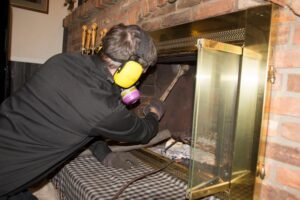
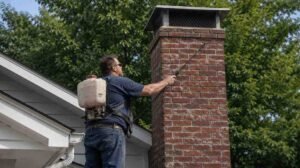
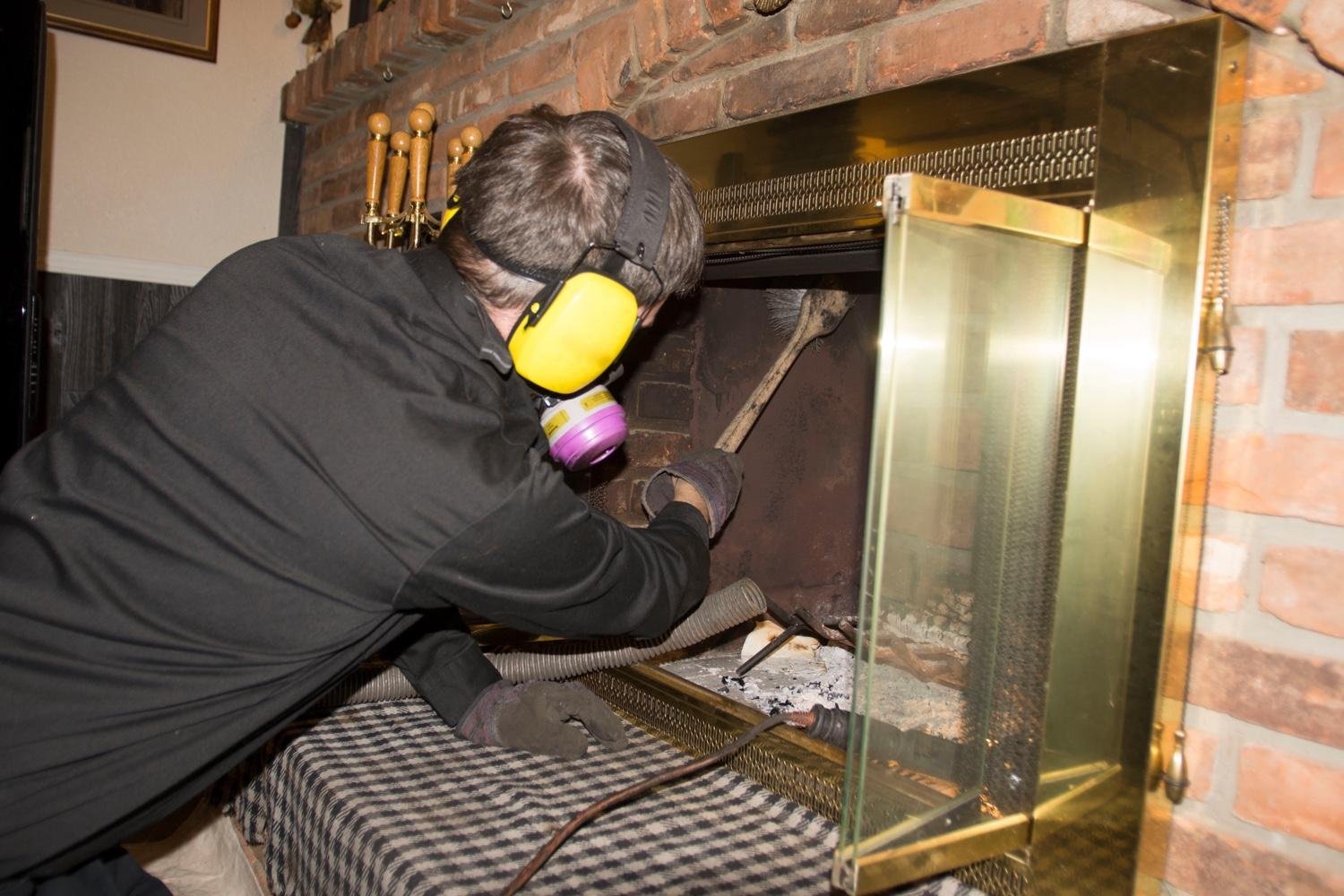
Every wood-burning fireplace in Atlanta should be professionally swept at least once per year, ideally before the burning season begins in late fall. A certified chimney sweep removes creosote, soot, debris, animal nests, and any blockages that accumulated during the warmer months when the fireplace sat unused.
Atlanta’s spring and summer seasons bring heavy pollen, humidity, and opportunistic wildlife. Chimney swifts, squirrels, and raccoons frequently nest in uncapped chimneys, and the debris they leave behind can block airflow and create hazardous burning conditions.
Annual Chimney Inspection
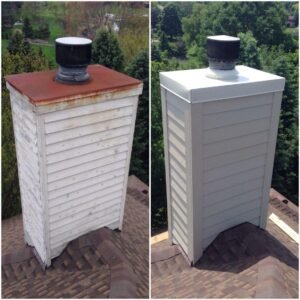
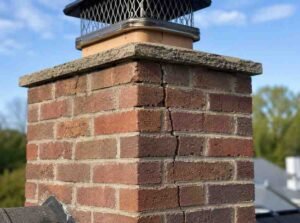
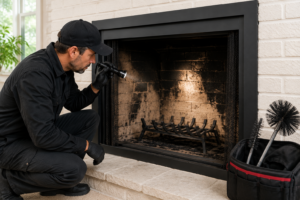
Sweeping is not the same as a full inspection. A thorough chimney inspection assesses the structural integrity of the liner, the firebox, the damper, the crown, and the flashing. Cracks in the liner, deteriorating mortar joints, and damaged chimney caps all allow moisture into the system, and in Georgia’s climate, that moisture does damage quickly.
The National Fire Protection Association recommends an annual inspection for all wood-burning systems regardless of how frequently they’re used. Even a fireplace used only a handful of times per season should be inspected each year.
What to Watch For Between Professional Visits
Homeowners can monitor a few things between annual service appointments. White staining on the exterior brick, called efflorescence, signals moisture is moving through the masonry. A strong smoky smell when the fireplace isn’t in use suggests a draft issue or blockage. Visible cracks in the firebox walls or mortar joints are signs the system needs professional attention before the next use.
Gas Fireplace Maintenance: What Roswell Homeowners Often Get Wrong
Gas fireplaces have a reputation for being low-maintenance. That reputation is partially deserved but also frequently misunderstood. They don’t produce creosote. They don’t require sweeping in the traditional sense. But they are mechanical systems with components that wear, corrode, and fail, and they operate on a fuel source that has real safety implications when something goes wrong.
Skipping annual gas fireplace inspection in Roswell is one of the most common mistakes homeowners make, usually because the fireplace appears to be working fine. Many gas fireplace problems develop gradually and aren’t visible until a component fails entirely.
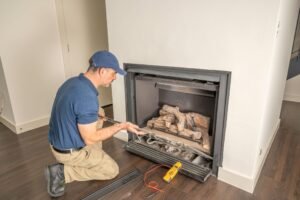
What a Professional Gas Fireplace Inspection in Roswell Covers
A thorough gas fireplace inspection goes well beyond a visual check. A qualified technician examines and services the following:
The gas valve and connections. Loose or corroded connections are a carbon monoxide risk. The valve is checked for proper operation and any signs of wear or leakage.
The burner and pilot assembly. Burner ports can become clogged with dust, debris, or insect activity over time. A partially blocked burner produces an uneven, inefficient flame and can create dangerous carbon monoxide levels inside the home.
The thermocouple and thermopile. These components sense the pilot flame and control gas flow to the main burner. They degrade with use and are among the most common causes of a gas fireplace that won’t stay lit or won’t ignite at all.
The venting system. Even though gas fireplaces produce far less combustion byproduct than wood-burning systems, they still require clear, properly functioning vents. Blocked or damaged venting causes carbon monoxide to back up into the living space rather than exhaust safely outside.
The ceramic logs and ember bed. Cracked or improperly positioned ceramic logs can disrupt the flame pattern and affect combustion efficiency. They’re inspected and repositioned or replaced as needed.
The glass panel and door seal. A compromised glass seal allows combustion gases into the room. The glass is inspected for cracks and the seal gasket checked for deterioration.
Gas Fireplace Repair in Roswell: Common Issues
Most gas fireplace repair in Roswell falls into a handful of recurring categories. Knowing what to watch for helps homeowners catch problems early before they become more serious.
Pilot light that won’t stay lit. This is almost always a thermocouple issue. The thermocouple senses the pilot flame and signals the gas valve to remain open. When it fails or weakens, the safety mechanism cuts gas flow and the pilot goes out. This is a straightforward repair but should only be handled by a certified technician.
Weak or uneven flame. A flame that burns low, flickers inconsistently, or doesn’t fill the burner evenly typically points to a dirty or partially blocked burner assembly. It can also indicate a gas pressure issue or a failing valve.
Fireplace turns on but produces little heat. This is often a venting or gas pressure issue. It can also result from a cracked firebox that’s pulling conditioned air from the room.
Remote control or wall switch not responding. Receiver batteries are the most common culprit and the easiest fix. If replacing the batteries doesn’t resolve the issue, the receiver itself or the wiring to the valve may need attention.
Unusual odors when the fireplace is running. A faint smell when the unit first ignites after sitting unused is normal as dust burns off. A persistent gas smell or a sulfur-like odor during operation is not normal and warrants immediate attention and a call to your gas provider.
Gas vs. Wood: How the Maintenance Needs Compare
Both systems need professional annual service. The nature of that service is different, and so is the risk profile when maintenance is skipped.
With a wood-burning fireplace, skipping annual sweeping and inspection is a gradual fire hazard. Creosote accumulates over multiple seasons until a chimney fire occurs or the liner cracks and allows heat to transfer to combustible framing.
With a gas fireplace, the risk of skipping inspection is more immediate. A failed component or compromised venting can result in a carbon monoxide leak, which is odorless and invisible. Carbon monoxide poisoning is the risk that makes annual gas fireplace inspection in Roswell a genuine safety priority, not just a maintenance best practice.
From a workload standpoint, wood-burning systems require more active homeowner involvement: removing ash after each use, monitoring creosote levels, keeping the area clear of debris, and managing the physical process of building and extinguishing fires. Gas fireplaces ask almost nothing of the homeowner day to day, which is precisely why their maintenance needs go unaddressed for longer.
Seasonal Maintenance Calendar for Atlanta Homeowners
Late Summer / Early Fall This is the ideal window for scheduling professional service on both system types before the burning season begins. For wood-burning fireplaces, this means sweeping and inspection. For gas fireplaces, this means a full inspection and any necessary repairs so the system is ready when temperatures drop.
During the Burning Season For wood-burning fireplace owners, burn only dry, seasoned hardwood. Wet or green wood produces significantly more creosote than properly seasoned wood. Keep a carbon monoxide detector with a working battery on every level of the home, regardless of which type of fireplace you use.
For gas fireplace owners, check the pilot flame periodically. A healthy pilot flame on a natural gas system burns blue with a small yellow tip. A mostly yellow or orange flame suggests incomplete combustion and should be evaluated by a technician.
Spring After the burning season ends, have the damper closed on wood-burning systems to prevent wildlife from entering during the warmer months. For gas fireplaces, consider a quick visual check of the burner and pilot area for any insect activity that occurred during spring.
The Bottom Line
Gas and wood-burning fireplaces both serve their homes well when they’re properly maintained. The difference between a safe, reliable system and a hazardous one comes down to annual professional service and catching small problems before they become large ones.
CFC Clean Fix Chimneys provides gas fireplace inspection and gas fireplace repair in Roswell along with full wood-burning chimney service for Atlanta area homeowners. Schedule your annual fireplace inspection today and head into the burning season with confidence.
Frequently Asked Questions
Once per year is the standard recommendation, ideally in late summer or early fall before the heating season starts. Even if your gas fireplace appears to be functioning normally, annual professional inspection is the only way to confirm that the gas connections, venting, and internal components are all in safe working condition.
The most common indicators include a pilot light that won’t stay lit, a weak or uneven flame, unusual odors during operation, a fireplace that ignites but produces little heat, and controls that don’t respond normally. Any of these should be evaluated by a certified technician before the fireplace is used again.
Each carries different risk profiles. Gas fireplaces eliminate creosote and chimney fire risk but introduce carbon monoxide risk if venting is compromised or components fail. Wood-burning fireplaces carry a higher long-term fire risk from creosote but don’t involve gas connections. Both are safe when properly maintained and inspected annually.
Not in the same way wood-burning fireplaces do. Gas fireplaces don’t produce creosote, so traditional sweeping isn’t required. However, the venting system still needs to be inspected and cleared of any blockages, and the internal components need to be cleaned and serviced annually.
Minor tasks like replacing remote batteries, dusting the glass panel, and visually checking the pilot flame are appropriate for homeowners. Any work involving the gas valve, burner assembly, venting, or electrical components should only be handled by a certified technician. Gas systems require professional service to ensure safety.