There is nothing better than coming home on a cold Atlanta evening, flipping on your gas fireplace, and watching the flames come to life. It is warm, it is cozy, and it just makes the whole room feel right.
But what happens when something feels off?
A lot of Atlanta homeowners ignore small fireplace problems and hope they go away on their own. The truth is, most gas fireplace issues do not fix themselves. They get worse. And in some cases, they can become genuinely dangerous.
If your fireplace has been acting a little strange lately, this blog is for you. Here are 7 warning signs that tell you it is time to call a professional for gas fireplace repair in Atlanta right away.
Warning Sign 1: Your Pilot Light Keeps Going Out
If you have to re-light your pilot light more than once or twice a season, something is wrong. The pilot light is supposed to stay on consistently. When it keeps going out on its own, the usual culprit is a worn-out thermocouple.
The thermocouple is a small safety device that detects whether the pilot flame is burning. Over time, it wears out and stops doing its job properly. When that happens, the gas supply gets cut off as a safety measure and the pilot dies.
This is one of the most common calls we see for gas fireplace service in Atlanta, and it is a straightforward repair when caught early. Ignoring it, though, means your fireplace simply will not work when you need it most.
Warning Sign 2: You Smell Gas Near the Fireplace
This one is serious. If you ever smell something like rotten eggs or sulfur near your gas fireplace, stop what you are doing.
That smell is added to natural gas on purpose so people can detect leaks. Even a faint smell is enough reason to act immediately. Do not try to light the fireplace. Do not flip any switches. Open your windows, leave the house, and call your gas provider from outside.
Once the situation is made safe, you will need a certified Atlanta fireplace technician to come in and inspect the gas line, gas valve, and all connections before using the fireplace again. A gas leak is not something you troubleshoot yourself.
Warning Sign 3: The Flames Look Wrong
Healthy gas fireplace flames are mostly blue with some yellow or orange tips. They should look steady and full across the burner.
If you notice any of the following, it is time to get a professional involved:
- Flames that are entirely yellow or orange
- Flames that flicker irregularly or look weak
- Flames that only burn in one spot instead of across the whole burner
- A very small, struggling flame that used to be stronger
These changes in flame appearance usually point to a dirty burner, a clogged gas line, or a problem with the gas valve. A professional doing gas log repair in Atlanta can clean and adjust the system to get your flames looking right again.
Warning Sign 4: You Hear Unusual Noises
A gas fireplace in good condition runs quietly. You might hear a soft hum or the gentle sound of the blower fan, but that is it.
If you start hearing any of these sounds, take note:
- Banging or popping when the fireplace turns on or off
- A hissing noise coming from around the unit
- Rattling sounds from inside the firebox
- Grinding noises from the blower
Hissing is the most concerning because it can indicate a gas leak. Banging and popping often mean the metal parts are expanding and contracting in ways they should not, which can eventually cause cracks. Rattling usually means something is loose inside.
None of these sounds are normal, and all of them deserve attention from a qualified gas fireplace technician.
Warning Sign 5: Your Fireplace Is Not Producing Enough Heat
If your gas fireplace used to warm up a room quickly and now barely takes the chill off, something has changed. Poor heat output is almost always a sign of a problem rather than just normal aging.
Common reasons for reduced heat include:
- A dirty or clogged burner reducing the flame size
- A failing gas valve that is not allowing full gas flow
- A blower motor that is wearing out or has stopped working
- Blocked venting that is restricting airflow
In Atlanta, where humidity is higher than average, moisture can work its way into vent systems and cause blockages over time. A proper fireplace inspection in Atlanta will identify exactly where the heat is being lost and what needs to be fixed.
Warning Sign 6: There Is Soot or Black Residue Building Up
A small amount of residue on gas fireplace glass is normal and easy to wipe away. But if you are seeing heavy black soot building up on the glass or inside the firebox, that is a different story.
Excess soot usually means one of two things. Either the gas-to-air ratio is off and the fireplace is not burning cleanly, or there is a venting problem causing combustion byproducts to back up into the room instead of going outside.
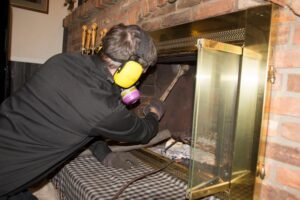
Both of these situations need professional attention. Improper combustion is not just inefficient, it can also mean your fireplace is producing higher levels of carbon monoxide than it should. If you have noticed soot buildup alongside any feeling of headaches or dizziness when using the fireplace, take that very seriously and get a chimney inspection in Atlanta scheduled immediately.
Warning Sign 7: Your Remote Control or Thermostat Has Stopped Responding
Modern gas fireplaces are designed to be convenient. You should be able to turn them on, adjust the flame height, and control the temperature easily from your remote or wall thermostat.
When those controls stop working, it is frustrating but also a sign something needs attention. The issue could be as simple as dead batteries in the remote, but it can also point to:
- A faulty receiver inside the fireplace unit
- Electrical wiring issues within the system
- A failing gas valve that is not responding to the signal
- A broken thermostat connection
A professional can diagnose whether it is a minor fix or a component that needs to be replaced. Either way, you should not have to fight with your fireplace every time you want to use it.
Why Atlanta Homeowners Should Not Wait on Fireplace Repairs
Atlanta’s climate is different from most parts of the country. The combination of humidity, frequent rain, and occasional cold snaps creates specific challenges for gas fireplaces and chimney systems here.
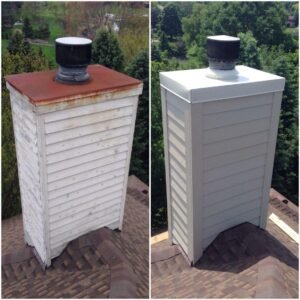
Moisture gets into vents and causes corrosion. Humidity encourages mold in the firebox. The irregular use pattern — where fireplaces sit idle through spring and summer and then get fired up again in the fall — means problems that were small in April can become significant by November.
Getting ahead of these issues with regular gas fireplace maintenance in Atlanta is always the smarter and more affordable choice compared to waiting until something breaks completely.
What To Do If You Spot Any of These Warning Signs
If any of the seven warning signs above sound familiar, here is what we recommend:
- Stop using the fireplace if you smell gas or suspect a carbon monoxide issue.
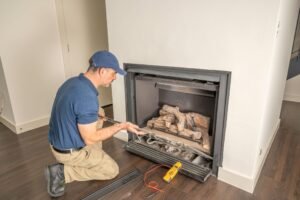
- Call a certified gas fireplace repair technician in Atlanta for a proper inspection.
- Do not attempt DIY repairs on gas components — it is not worth the risk.
- Ask about annual maintenance plans to catch problems before they start.
A professional inspection is typically quick and affordable. The peace of mind that comes with knowing your fireplace is safe and working properly is absolutely worth it.
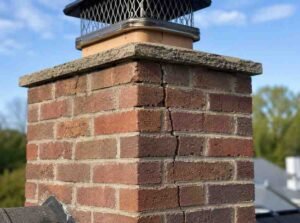
Read more: Signs Your Chimney Bricks Need Urgent Attention
Final Thoughts
Your gas fireplace is one of the most-used features in your Atlanta home during the cooler months. It deserves the same level of care and attention as any other major home system.
Whether you are dealing with a pilot light that will not stay on, strange smells, weak flames, or a thermostat that has given up, do not wait. These problems do not get better on their own.
Reach out to a trusted professional for gas fireplace repair in Atlanta today and make sure your fireplace is ready to do its job all season long.
Frequently Asked Questions
How do I know if my gas fireplace needs professional repair?
If your gas fireplace is showing any of these signs, pilot light going out repeatedly, weak or discolored flames, strange noises, gas smell, soot buildup, poor heat output, or unresponsive controls, it is time to call a professional. These are not problems that fix themselves, and some of them, like a gas smell or heavy soot, can be genuine safety hazards if left alone.
Is it safe to use my gas fireplace if the pilot light keeps going out?
No, you should not keep relighting and using a fireplace with a failing pilot light. It usually means the thermocouple is worn out and not doing its job properly. A failing thermocouple can cause the gas supply to cut in and out unpredictably. A certified technician can replace it quickly and safely during a standard gas fireplace service visit in Atlanta.
What does it mean if my gas fireplace smells like rotten eggs?
That smell is a warning sign of a gas leak. Natural gas is odorless on its own, but gas companies add a sulfur-like smell specifically so you can detect leaks. If you smell it near your fireplace, do not try to use or fix the fireplace yourself. Leave the house, call your gas provider from outside, and have a licensed Atlanta fireplace technician inspect the gas line and valve before using it again.
Why are my gas fireplace flames yellow instead of blue?
Yellow or orange flames usually mean the gas is not burning cleanly. This can happen because of a dirty burner, a clogged gas line, or an incorrect gas-to-air mixture. While a little yellow at the tips of the flame is normal, flames that are mostly yellow or orange need attention. It can also mean your fireplace is producing more carbon monoxide than it should, which is a health risk.
How often should I get my gas fireplace serviced in Atlanta?
Most fireplace manufacturers and certified technicians recommend a professional inspection and cleaning once a year. In Atlanta specifically, the combination of humidity and seasonal use patterns makes annual maintenance especially important. Small issues like moisture in the vents, minor corrosion, or a slightly worn thermocouple are much cheaper to fix early than after they turn into bigger problems.