That patch of warped siding or peeling paint near your chimney might seem like a minor eyesore, but for Roswell homeowners, it’s often the first sign of a much bigger problem brewing behind the wall. The real question isn’t just whether to fix it. It’s how you fix it, and whether a quick repair will actually hold or just delay a larger, costlier job down the road.
This guide walks you through exactly when repair makes sense, when replacement is the smarter long-term investment, and what factors matter most for chimneys in Roswell’s climate.
Why Your Chimney Siding Deserves More Attention Than It Gets
Most homeowners think of chimney siding as purely cosmetic. It isn’t.
The siding on your chimney chase is a weather barrier, and the first and only line of defense between Georgia’s rain and humidity and the wooden framing inside. Once that barrier is compromised, moisture infiltrates the structure. In Roswell’s humid subtropical climate, with long rainy seasons stretching from March through October, that moisture doesn’t just sit there. It spreads, feeding rot and mold through framing that was never designed to get wet.
What starts as a few cracked panels can quietly become a structural repair job if left unaddressed. That’s why catching damage early and making the right decision about how to handle it matters so much.
When Repair Is the Right Call
Repair is typically the most straightforward and cost-effective solution when the damage is limited and the structure beneath it is still sound. Here’s when it makes sense:
The damage is isolated. A single cracked panel, a small section of peeling wood, or one or two warped boards near the roofline are ideal repair candidates. There’s no need to strip an entire chase when the problem is contained to a specific area.
The underlying framing is intact. If an inspection confirms that the chase framing is dry, solid, and free of mold or rot, the damage is surface-level. A targeted repair with proper sealing and caulking is all that’s needed.
The siding material still has life in it. Newer materials, generally anything less than 10 to 15 years old, haven’t reached the end of their lifespan. Repairing a damaged section and ensuring it’s properly sealed extends the remaining life of the system without the disruption and expense of a full tear-off.
A one-time event caused the damage. Storm impact, a falling branch, or an isolated hit on otherwise healthy siding is a repair situation, not a replacement one. The damage is specific and the surrounding material is still performing.
When Replacement Is the Smarter Investment
There are situations where repair doesn’t just fall short. It actively makes things worse by masking an underlying problem or delaying the inevitable. Replacement becomes the right answer when:
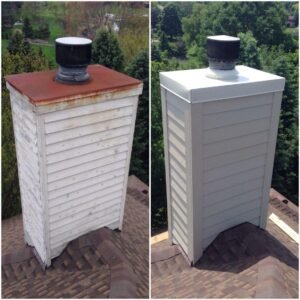
Moisture has already reached the framing. This is the line that changes everything. Once water has penetrated behind the siding and contacted the wooden chase structure, no surface repair will stop the rot from continuing to spread. In these situations, professional chimney repair in Roswell, GA becomes essential before siding replacement can begin. The siding needs to come off entirely, the damaged framing must be addressed, and new weather-resistant material installed. Patching over compromised framing is money that accomplishes nothing.
Damage covers more than a third of the surface. When deterioration is widespread rather than isolated, the math shifts. Multiple individual repairs across a large area can approach or exceed the cost of full replacement, without the benefit of a uniform exterior, fresh warranty coverage, or a clean slate for the structure underneath.
The material is aged and can’t be matched. Older vinyl or wood siding that has faded, warped, or shrunk across the entire chase often can’t be color or panel matched for a seamless repair. At that point, full replacement with a modern, durable material is the more sensible path both structurally and aesthetically.
Mold or pest damage is present. Roswell’s humidity creates ideal conditions for mold to develop behind chimney siding, particularly on north-facing chases that receive limited sunlight. When mold or termite damage is found during inspection, full removal is required to properly treat the surface before new siding can go on.
Material Choices Matter, Especially in Georgia
If you’re moving forward with a full replacement, the material you choose will have a direct impact on how long it lasts and how much maintenance it requires in Georgia’s climate.
Vinyl siding is the most accessible entry point, but it has real limitations for chimney applications. It can warp and crack under Roswell’s summer heat, and it offers less structural rigidity than other options. For a chimney chase that sees significant temperature swings, vinyl tends to underperform over time.
Fiber cement (Hardie board) is the most widely recommended material for Roswell chimney chases, and for good reason. It resists moisture absorption, doesn’t support mold growth, holds paint far longer than wood, and carries fire resistance as an added safety benefit. It costs more upfront, but the extended lifespan and reduced maintenance make it the better long-term value in Georgia’s climate. A properly maintained Hardie board installation can last 50 years or more.
Wood siding provides the traditional aesthetic that suits many of Roswell’s historic homes, but it demands the most upkeep and is the most vulnerable material in a humid environment. Unless historical accuracy is specifically required, wood is rarely the right choice for a chimney chase that’s constantly exposed to moisture.
The Step You Can’t Skip: A Proper Inspection
The single biggest mistake homeowners make is deciding between repair and replacement before anyone has actually looked behind the panels.
What appears to be a straightforward surface repair from the outside can reveal a completely different situation once a panel is removed. Framing rot, mold, moisture infiltration, or pest damage that wasn’t visible at all can change the entire scope of the job. Committing to repair without checking the structure first is how homeowners end up paying for the same area twice.At CFC Clean Fix Chimneys, every siding evaluation includes a thorough assessment of both the exterior panels and the underlying chase structure. The recommendation you receive, whether repair or replacement, is based on what your chimney actually needs and not just what’s visible from the ground.
The Bottom Line
In most cases where damage is caught early and moisture hasn’t reached the framing, repair is the right answer. The moment water infiltration or structural damage enters the picture, replacement becomes the decision that saves more money over time.
It starts with knowing what you’re actually dealing with. Schedule your chimney siding assessment with CFC Clean Fix Chimneys in Roswell, GA today, and get a clear, honest answer on what your chimney needs.
Frequently Asked Questions
How do I know if my Roswell chimney siding needs repair or replacement?
The clearest indicator is what’s behind the damaged panels. If the framing is dry and intact, targeted repair is appropriate. If there’s any sign of moisture, rot, mold, or deterioration across more than a third of the surface, replacement is the more cost-effective long-term choice. A professional inspection from CFC Clean Fix Chimneys gives you a definitive answer based on your chimney’s specific condition.
Does chimney siding damage affect my homeowners insurance in Georgia?
It can. Sudden storm or impact damage is typically covered under most Georgia homeowners policies. Gradual deterioration or damage caused by lack of maintenance is generally not. Documenting the damage promptly after a storm and having a certified contractor inspect the area improves your chances of a successful claim.
What's the most durable chimney siding material for Roswell's climate?
Fiber cement (Hardie board) consistently outperforms vinyl and wood in Georgia’s humid, high-rainfall environment. It resists moisture, doesn’t support mold growth, holds paint significantly longer than wood, and carries fire resistance, which is a meaningful benefit for chimney applications specifically.
How long does chimney siding replacement take?
For a standard single chimney chase, full replacement typically takes one to two days for a professional crew, assuming the framing is in good condition. If rot or structural damage is discovered, allow an additional day for framing work before new siding is installed.
Can I just paint over damaged chimney siding?
Paint is a cosmetic fix only. It doesn’t address what’s underneath, won’t stop moisture from continuing to penetrate the material, and can actually make future inspections harder by concealing visible damage indicators. If the siding is compromised, paint is not a solution.