Your chimney works quietly in the background, helping your fireplace vent smoke, gases, and heat safely out of your home. Because most of its critical components are hidden from view, many homeowners don’t realize there’s a problem until visible damage appears or worse, a costly repair becomes unavoidable.
In Sandy Springs, changing weather conditions, seasonal storms, humidity, and regular fireplace use can all contribute to chimney deterioration. That’s why annual inspections are recommended for homeowners who want to maintain a safe and efficient fireplace system.
Here are seven signs that indicate it’s time to schedule a professional chimney inspection in Sandy Springs.
1. Cracks in the Chimney Brickwork or Mortar
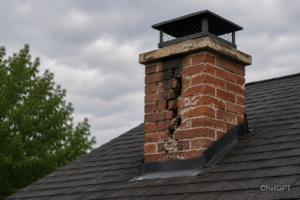
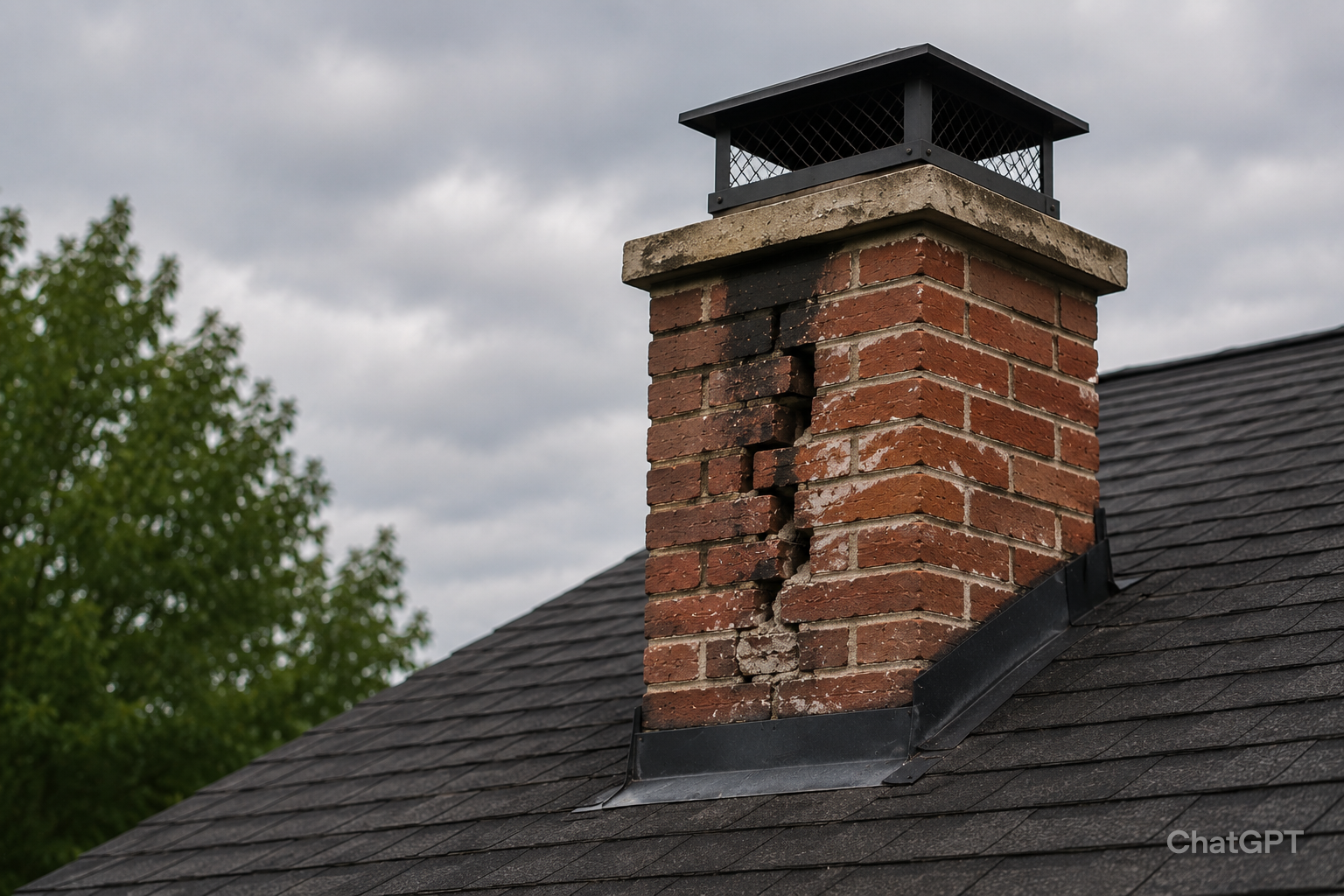
One of the most obvious indicators of chimney trouble is visible cracking in the masonry. While a small crack may seem harmless, moisture can enter through damaged mortar joints and brick surfaces.
Over time, water intrusion can lead to:
- Brick spalling
- Mortar deterioration
- Structural instability
- Interior water damage
Sandy Springs experiences periods of heavy rain and humidity throughout the year, making masonry deterioration a common issue for homeowners.
If you notice cracks, loose mortar, or flaking bricks, a professional chimney inspection can identify the extent of the damage before repairs become more expensive.
For homeowners already seeing masonry deterioration, our Chimney Repair Sandy Springs services can help restore structural integrity before major reconstruction becomes necessary.
2. Smoke Entering Your Home
A properly functioning chimney should direct smoke outside without allowing it to enter your living space.
If smoke begins backing up into your home while using the fireplace, it may indicate:
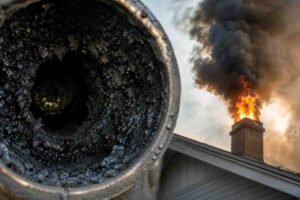
- Creosote buildup
- Obstructions inside the flue
- Drafting problems
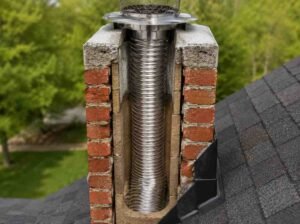
- Damaged chimney liners
- Animal nests or debris
Many homeowners assume smoke issues are simply caused by weather conditions, but recurring smoke problems should never be ignored.
A professional chimney inspection can identify airflow restrictions and ensure the venting system is operating safely.
3. White Staining on Exterior Bricks
Have you noticed a white, powdery substance on your chimney?
This condition is called efflorescence and occurs when water moves through masonry and leaves behind mineral deposits as it evaporates.
While the staining itself is not dangerous, it often indicates ongoing moisture penetration.
Moisture is one of the leading causes of chimney deterioration because it can damage:
- Brick surfaces
- Mortar joints
- Chimney liners
- Firebox components
Ignoring water-related problems often leads to more extensive repairs later. An inspection can determine where moisture is entering and what corrective measures are needed.
4. Strange Odors Coming From the Fireplace
Unpleasant smells coming from the fireplace are another warning sign homeowners frequently overlook.
Common chimney odors may result from:
- Creosote buildup
- Excess moisture
- Animal activity
- Mold growth
- Debris trapped in the flue
Many Sandy Springs homeowners report noticing stronger odors during humid summer months when moisture combines with accumulated creosote deposits.
If unusual smells persist even when the fireplace isn’t in use, a chimney inspection can help locate the source of the problem and prevent further deterioration.
In many cases, professional Chimney Cleaning Sandy Springs services can eliminate odor-causing buildup before it creates larger issues.
5. Water Leaks Around the Fireplace or Chimney
Water should never be entering your chimney system.
Signs of water intrusion may include:
- Damp walls near the fireplace
- Water stains on ceilings
- Rusted fireplace components
- Moisture inside the firebox
- Mold growth
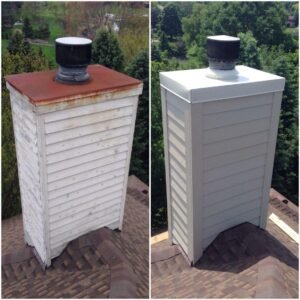
Water damage often occurs when flashing, chimney caps, crowns, or masonry components begin to fail.
Unfortunately, many homeowners don’t discover leaks until interior damage has already occurred.
A chimney inspection can identify vulnerable areas and help prevent costly repairs to both the chimney and surrounding structure.
6. Pieces of Tile, Brick, or Debris in the Fireplace
Finding broken materials inside your fireplace is never normal.
Homeowners occasionally discover:
- Brick fragments
- Mortar pieces
- Chimney liner debris
- Flue tile fragments
These materials may indicate that the chimney liner or masonry structure is deteriorating.
Damaged liners can increase the risk of heat transfer to nearby combustible materials, while failing masonry can compromise the overall safety of the chimney.
If debris is appearing in your fireplace, scheduling an inspection should be considered a priority.
7. It’s Been More Than a Year Since Your Last Inspection
Sometimes the biggest warning sign isn’t visible damage, it’s simply the passage of time.
Many homeowners only think about their chimney when a problem develops. However, annual inspections are recommended even if the fireplace appears to be functioning normally.
Professional inspections help identify:
- Hidden structural damage
- Early-stage water intrusion
- Creosote accumulation
- Ventilation problems
- Chimney cap issues
- Safety hazards
Routine inspections often detect minor issues before they become major repair projects.
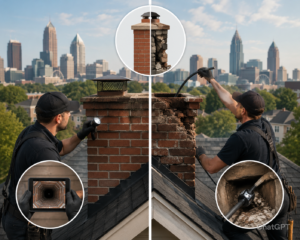
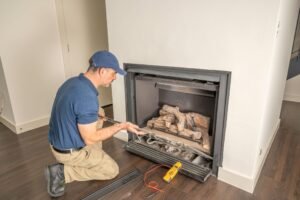
If it has been over a year since your last evaluation, scheduling a Chimney Inspection Sandy Springs service is one of the most cost-effective steps you can take to protect your home.
Why Sandy Springs Homeowners Shouldn’t Ignore Chimney Problems
Online homeowner discussions frequently reveal a common theme: many people delayed chimney inspections because everything “looked fine” from the outside.
However, hidden problems inside the flue, liner, or chimney structure often remain undetected until they cause smoke issues, water leaks, or expensive repairs.
The reality is that chimneys are exposed to weather year-round. Rain, moisture, temperature fluctuations, and normal use gradually affect every component of the system.
Early inspections help homeowners avoid emergency repairs while extending the lifespan of the chimney and fireplace.
CFC Clean Fix Chimneys for Professional Chimney Inspections in Sandy Springs
Whether you’re noticing visible damage or simply want peace of mind before fireplace season begins, a professional inspection can help identify potential issues before they escalate.
At CFC Clean Fix Chimneys, our experienced team provides thorough chimney inspections designed to uncover hidden problems and recommend practical solutions. We help homeowners throughout Sandy Springs maintain safer, more efficient chimney and fireplace systems year-round.
If you’ve noticed any of these warning signs or it’s been more than a year since your last inspection now is the ideal time to schedule a professional evaluation.
Frequently Asked Questions
Yes. Many chimney issues develop inside the flue, liner, or crown where they aren’t visible from ground level. Professional inspections are designed to identify hidden damage before it worsens.
Yes. Weather exposure, moisture intrusion, and natural deterioration can affect a chimney even when the fireplace is rarely used.
An inspection evaluates the condition and safety of the chimney system, while cleaning removes creosote, soot, and debris. Many homeowners need both services depending on usage and condition.
Absolutely. Water is one of the leading causes of chimney deterioration. Rain can damage mortar joints, bricks, crowns, flashing, and chimney liners over time.
Most standard inspections take between 45 minutes and 90 minutes depending on the size, condition, and accessibility of the chimney system.
Yes. Many homebuyers discover chimney issues after closing because a general home inspection may not fully evaluate the chimney system. A dedicated chimney inspection provides a more detailed assessment.