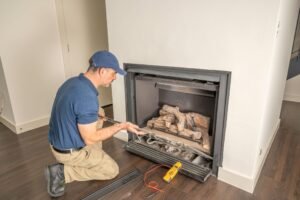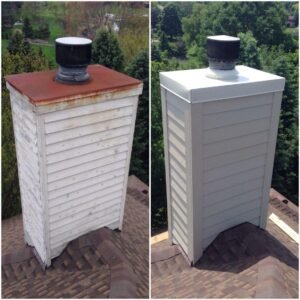
When homeowners across Alpharetta, Georgia, think about cozy autumn evenings or chilly winter nights, they usually picture gathering around a beautifully crafted fireplace. Whether your property features a traditional brick masonry structure in an established neighborhood near downtown Alpharetta or a modern pre-fabricated gas unit in a newer subdivision, your fireplace adds immense value, comfort, and architectural elegance to your living space. However, very few property owners ever stop to think about the hidden protective tube running down the center of their exhaust system.
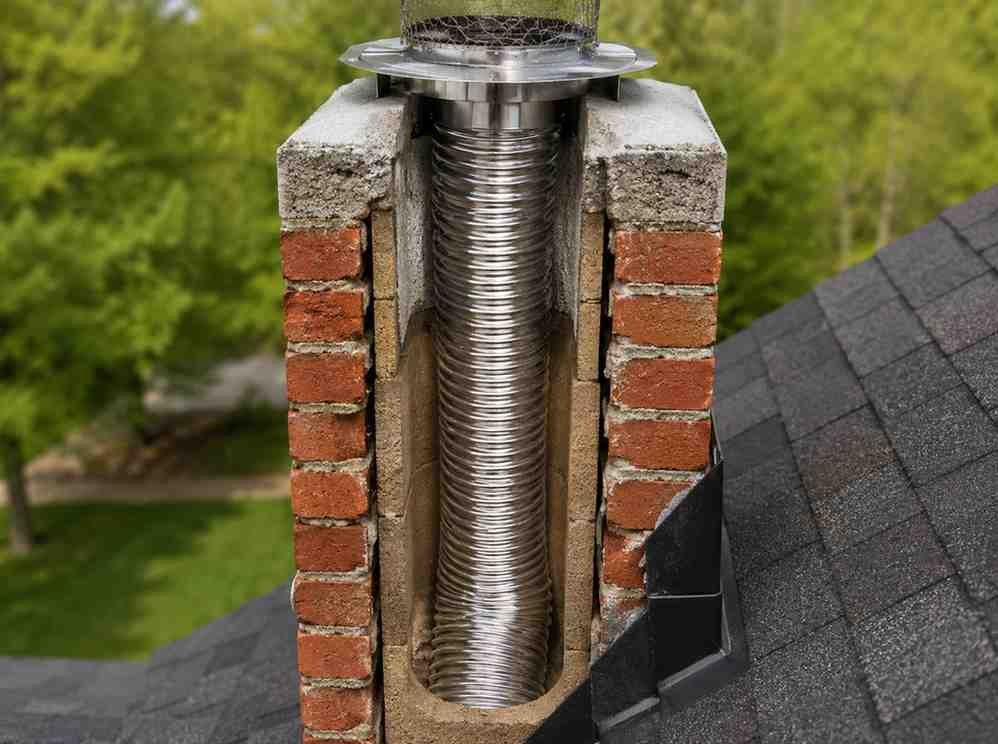
The internal venting path, known professionally as the chimney liner, is the single most vital safety component of your entire fireplace infrastructure. It acts as a continuous, heat-resistant barrier that keeps extreme temperatures, corrosive chemical byproducts, and toxic exhaust gasses safely isolated from your home’s wooden framing.
Understanding the various infrastructure profiles available for modern venting paths is essential for maintaining home safety and structural performance. For homeowners focusing on proactive property preservation, keeping up with standard venting pathways is just as critical as scheduling comprehensive chimney construction in Alpharetta. This guide breaks down the core structural options available to help you make an informed investment.
Why Are Chimney Liners Mandatory?
To protect the structural integrity of your home, understanding chimney liner safety is paramount. A liner acts as an impermeable conduit that serves three critical protective functions within a residential venting environment. First, it completely isolates intense heat from home construction materials, preventing nearby woodwork from catching fire. Second, it protects the structural brickwork from the highly corrosive byproducts of combustion, which can rapidly dissolve mortar joints over time. Finally, it ensures perfect chimney liner smoke containment and draft efficiency, directing all airborne toxins out of your living space.
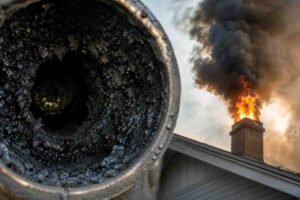
If your existing system lacks this crucial element, is improperly sized for your current heating appliance, or has sustained severe internal cracking, a full chimney liner replacement becomes necessary. Ignoring a deteriorated venting pathway leaves your property highly vulnerable to structural fires, toxic backdrafts, and extensive home damage.
Exploring the Structural Options: Types of Chimney Liners
When analyzing how to restore or upgrade your home’s venting infrastructure, a comprehensive chimney liner comparison reveals three primary material groups. Each category features distinct performance characteristics, lifespans, and compatibility criteria based on your heating appliances.
1. Traditional Clay Tile Liners
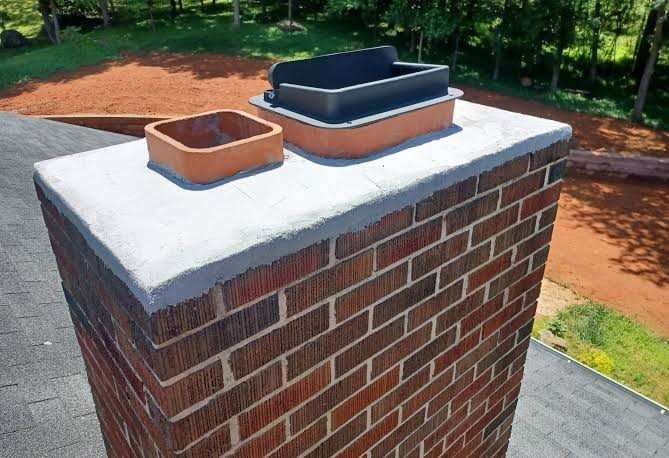
Clay tiles are the most widely installed types of chimney liners found in traditional masonry designs. They are relatively inexpensive, widely available, and can last for decades when properly maintained. However, clay tiles are rigid and unable to absorb thermal shocks cleanly. Rapid temperature shifts cause clay tiles to crack, split, and flake apart, creating internal gaps that compromise safety.
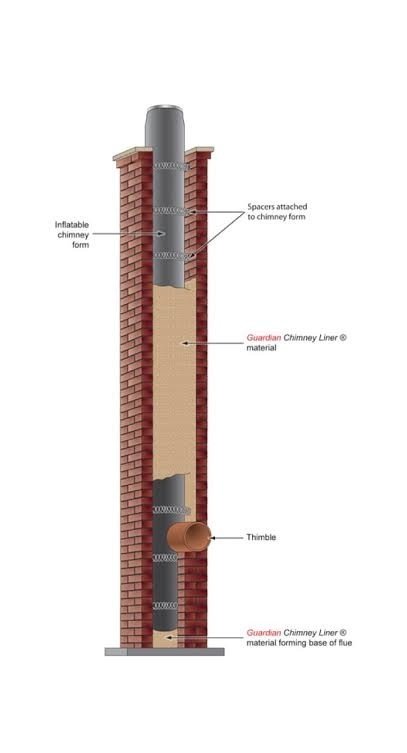
2. Modern Cast-in-Place Lining Systems
A cast-in-place installation involves pumping a lightweight, cement-like mortar compound directly into the venting cavity around a temporary form. This option is highly regarded in comprehensive chimney liner types explained directories because it forms a seamless, smooth insulation barrier. It fills internal cracks and stabilizes old, shifting brickwork, making it an excellent solution for historic properties that need heavy reinforcement.
3. Highly Versatile Metal Lining Inserts
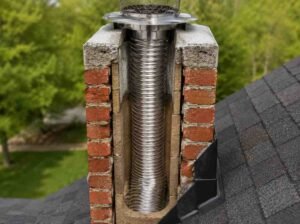
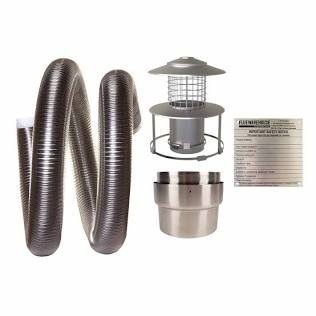
When navigating different chimney liner materials, metal alloys are the top choice for modern retrofitting and repair projects. These systems are lightweight, highly durable, and come in both rigid and flexible configurations to navigate bends within older brick paths easily. Choosing a high-grade stainless steel chimney cap and matching alloy lining insert provides elite protection against corrosion, making it a reliable solution for high-performance home heating systems.
Choosing the Right Fit for Your Floor Plan
Selecting the ideal restoration option depends heavily on your existing setup, budget plans, and intended usage patterns.
| Material Type | Best Suited For | Expected Lifespan | Main Advantage |
| Clay Tile | Standard open wood fireplaces with straight, vertical structures | 20 to 50 Years | Highly affordable material cost during initial construction |
| Stainless Steel | Wood stoves, gas inserts, and historic chimneys with structural bends | Lifetime Warranty | Rapid installation, exceptional corrosion resistance |
| Cast-in-Place | Aging, fragile masonry chimneys requiring structural stabilization | 50+ Years | Seamless insulation that bonds and reinforces loose brickwork |
Signs That Your Chimney Liner Needs To Be Replaced
Not sure whether your current chimney liner needs attention? Here are the most common warning signs that your liner may be damaged or failing:
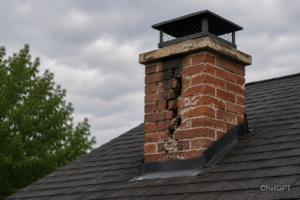
- Visible Cracks or Damage: If your chimney inspector or sweep finds cracks, gaps, or missing sections in your liner during an inspection, replacement is likely necessary. Even small cracks can allow dangerous gases to escape into your home.
- White Staining on Exterior Masonry: White staining known as efflorescence on the outside of your chimney can indicate that water is penetrating the liner and moving through the masonry. This is often a sign that the liner is no longer providing adequate protection.
- Deteriorating Mortar Joints: If the mortar joints inside your chimney are crumbling or eroding rapidly, it may be a sign that the liner is allowing corrosive gases to attack the masonry directly.
- Smoky Fireplace: If smoke is entering your home when you use your fireplace, a damaged or improperly sized liner may be the cause. A damaged liner can disrupt the draft inside the chimney, causing smoke to back up into your living space.
- Carbon Monoxide Detector Alerts:If your carbon monoxide detectors are going off when your heating appliance is running, a compromised chimney liner could be allowing carbon monoxide to enter your home. This is a serious safety emergency that requires immediate attention.
- Your Chimney Has Never Been Lined: Many older homes have unlined chimneys that were built before liner requirements were established. If your chimney inspector determines that your chimney has no liner at all, installing one should be a top priority.
Balancing Restoration: Repair vs Replacement
If a chimney inspection reveals internal damage, you must choose between a targeted chimney liner repair and a total system overhaul. If the damage is limited to a few loose mortar joints in a young clay tile system, specialized joint repair systems can restore your safety margin.
However, if your flue has structural cracks, collapsed tiles, or sustained fire damage, a full replacement is the only safe option. Investing in a high-quality stainless steel lining system fixes underlying performance issues, ensures complete compliance with local building codes, and offers a lifelong warranty. When structural issues extend beyond the interior venting tube, pairing your liner work with a full structural rebuilding process ensures your home’s masonry looks beautiful and functions safely for decades.
The Value of Specialized Local Expertise
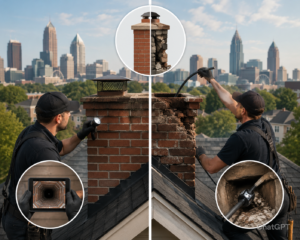
Rooftop safety and masonry engineering require precision care and a deep understanding of thermodynamics, local building codes, and material limitations. Homeowners planning an upgrade should always work with experienced professionals to ensure a long-lasting, watertight installation.
For regional property owners, completing a successful Chimney Construction in Alpharetta requires advanced staging equipment, precise measurements, and expert installation techniques to ensure an air-tight fit. A poorly fitted liner can restrict airflow, causing severe drafting issues, or separate at the seams hidden behind your walls. When structural vulnerabilities expand due to water entry, scheduling complete Chimney Construction in Alpharetta with an experienced team allows you to rebuild the core of your home’s fireplace, apply fresh mortar, and install premium venting lines with total confidence.
Conclusion
Finding the best chimney liner for my home requires matching the correct material profile to your specific heating appliance, fuel type, and venting layout. Whether you are installing a flexible stainless steel insert for a modern gas insert or rebuilding traditional clay tile tracks, a premium liner secures your home against fire and toxic gas leaks.
When you are ready to upgrade your home’s air quality, structural safety, and fireplace efficiency, rely on the local experts at CFC Clean Fix Chimneys. Our trained professionals provide end-to-end support, from precise diagnostics to durable restorations and full-scale Chimney Construction in Alpharetta. We use elite materials and rigorous installation standards to ensure your venting system runs safely and efficiently. Do not let hidden cracks compromise your family’s safety, contact CFC Clean Fix Chimneys today to schedule your comprehensive on-site inspection and detailed estimate.